
How To Know When To Get Dentures: 7 Signs You May Need Them
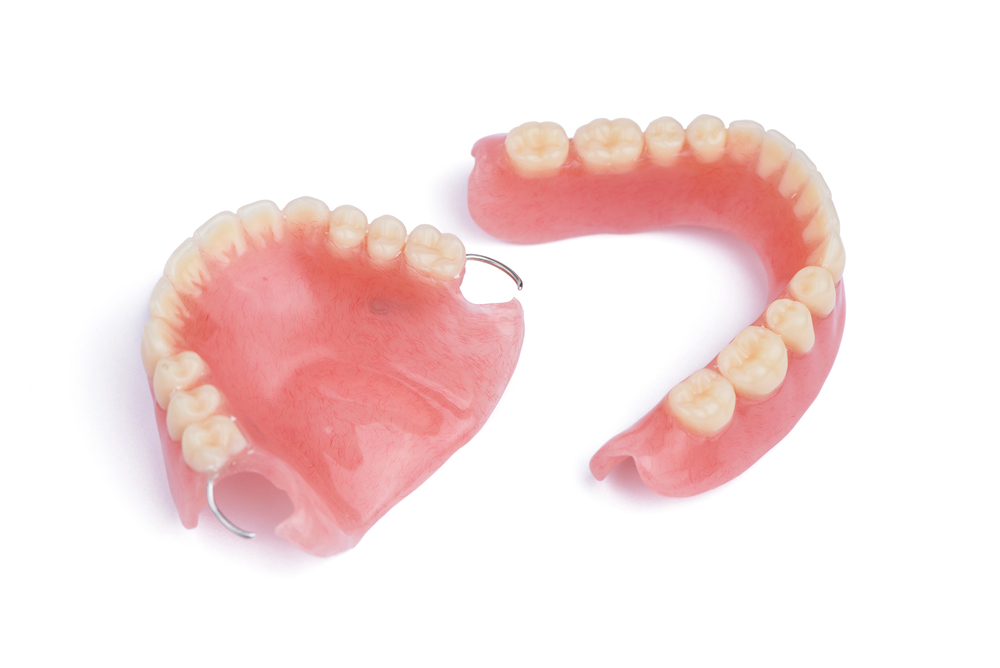
Dentures are removable dental appliances designed to replace missing or severely damaged teeth while restoring function, comfort, and appearance. People may need dentures after tooth loss caused by decay, gum disease, injury, or long-term wear. Choosing dentures is a practical step toward better oral health and daily comfort. Knowing when to get dentures can feel uncertain, especially when symptoms develop gradually. Paying attention to specific warning signs can help you decide when it is time to explore professional guidance.
Persistent Tooth Pain or Sensitivity
Recurring discomfort often points to damage beneath the surface that routine care may no longer resolve. Pain that returns after treatment can indicate advanced decay or irritation near the tooth nerve. Sensitivity to heat, cold, or pressure may suggest weakening tooth structure. Daily activities like eating or resting can become difficult when discomfort lingers. Situations like these often require a broader solution to restore comfort while reducing the risk of future complications involving nearby teeth and supporting tissues.
Multiple Missing or Severely Damaged Teeth
Living with several compromised teeth can affect far more than appearance. Gaps in the smile often affect how the remaining teeth shift and function together. Heavily damaged teeth may fracture or fail despite repeated repairs. Over time, chewing efficiency and speech clarity may decline. Dentures can replace multiple teeth at once while restoring balance across the bite. Addressing widespread tooth loss early helps support comfort and improve everyday oral function.
Loose or Shifting Teeth
A sense of movement while biting or chewing may signal weakened support below the gumline. This change is frequently associated with bone loss or progressive gum disease. As stability declines, teeth may drift out of alignment and disrupt how the bite fits together. Eating can feel unpredictable or uncomfortable. Tooth mobility rarely improves without intervention. Replacing unstable teeth can help restore confidence and protect remaining oral structures from further strain.
Difficulty Chewing or Avoiding Certain Foods
Subtle dietary changes often develop without much notice. Foods that require firm chewing may slowly disappear from daily meals. Limited chewing ability can place extra stress on the jaw and reduce nutritional variety. Digestive discomfort may follow over time. These challenges are commonly linked to missing teeth or uneven bite pressure. Dentures restore proper chewing surfaces and help support a more enjoyable eating experience across a wider range of foods.
Advanced or Ongoing Gum Disease
Progressing gum conditions can undermine both teeth and the bone that supports them. Common signs include irritation, recession, or persistent inflammation. As the condition advances, teeth may lose stability even when they appear intact. While early treatment can slow damage, advanced stages may limit predictable outcomes. Dentures provide a stable option once unhealthy teeth are removed. Addressing the source of infection supports better comfort and promotes long-term oral health.
Changes in Facial Appearance or Speech
Facial structure relies heavily on healthy teeth for support. As teeth are lost, cheeks may appear sunken, and overall contours can shift. Speech clarity may also change, especially when forming certain sounds. These developments often happen gradually, making them easy to overlook. Dentures help restore facial support while improving speech consistency. Visual and vocal changes often reflect deeper functional concerns that deserve careful evaluation.
Frequent Dental Infections or Ongoing Oral Irritation
Repeated irritation or infection inside the mouth often signals deeper problems that routine treatment cannot fully resolve. Swelling, abscesses, or recurring sores may develop when damaged teeth trap bacteria. Antibiotics can calm symptoms, yet the source often remains. Ongoing inflammation can weaken surrounding bone and place healthy teeth at risk. Bad taste or drainage may also appear. In situations like these, removing compromised teeth may reduce infection cycles. Dentures can replace affected areas while supporting healthier tissues. Addressing infection patterns early helps protect comfort, function, and overall oral stability. Professional evaluation guides safer, long-term solutions based on individual oral conditions.
Taking the Next Step Toward Comfort and Confidence
Noticing several of the signs discussed above often points to bigger changes in oral health that deserve professional attention. Dentures can restore chewing ability, speech clarity, and facial support when natural teeth can no longer do so comfortably. At Edgemont Dental Arts, we help patients explore options such as full dentures, partial dentures, implant-supported dentures, and restorative care designed for long-term comfort. Our approach focuses on precise planning, modern technology, and gentle techniques, including sedation options, to support a calm and positive experience.
Scheduling a consultation allows us to review your concerns and discuss solutions that fit your needs. Contact us today to take the first step toward restoring daily comfort and confidence.