
How Often Do You Need Scaling And Root Planing?
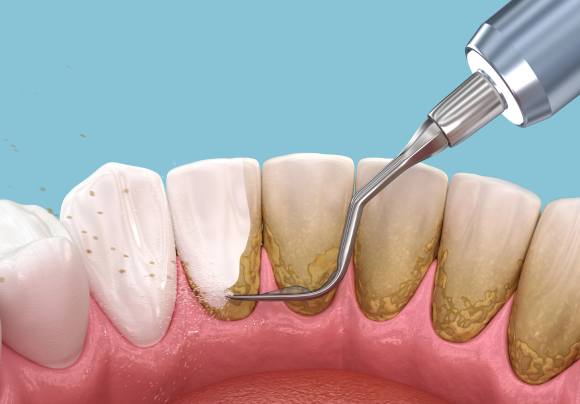
Scaling and root planing is one of the most important deep cleaning treatments for controlling gum disease, and understanding how often do you need scaling and root planing helps you maintain long-term oral health.
This non-surgical procedure treats the early and moderate stages of periodontal disease by removing plaque and tartar below the gumline. When performed at the right intervals, it can stop gum infection from progressing and protect your teeth from further damage.
What Is Scaling and Root Planing?
Periodontal scaling and root planing is a deep cleaning treatment designed to remove hardened plaque from tooth surfaces and smooth the roots to help the gums reattach. Unlike a standard cleaning that focuses on the areas above the gumline, the scaling and root planing procedure targets the pockets that form when gum disease begins to break down tissue. By eliminating bacteria inside these pockets, your dentist can reduce inflammation and slow the progression of periodontal disease.
During the procedure, your dentist or hygienist uses specialized instruments to clean each tooth thoroughly. The root surfaces are then smoothed to discourage future buildup. Most patients receive a topical anesthetic or a numbing agent to ensure comfort throughout the appointment.
Why You Might Need Scaling and Root Planing
Scaling and root planing treatment is recommended when signs of gum disease are present. These signs include bleeding gums, persistent bad breath, gum recession, red or swollen tissue, and deep periodontal pockets. Risk factors such as smoking, diabetes, poor oral hygiene, and a family history of gum disease can also increase the likelihood of needing treatment.
Without timely care, gum disease can progress from gingivitis to periodontitis. At this stage, inflammation leads to bone loss, loose teeth, and eventually tooth loss. Early intervention with deep cleaning is a key part of preventing these long-term complications.
How Often Do You Need Scaling and Root Planing Procedures?
Dentists typically recommend scaling and root planing based on the severity of gum disease and the depth of periodontal pockets. The need for scaling and root planing depends on your individual response to treatment and your overall oral hygiene habits. For many patients with mild to moderate gum disease, scaling and root planing may be performed once and followed by a maintenance schedule every three to four months.
Patients with advanced periodontitis may need deep cleaning more frequently, especially if gum pockets remain deeper than four millimeters. Your dentist evaluates the health of your gums during each visit to decide whether additional treatment is needed. Regular follow-up appointments help ensure the gums continue to heal and remain stable.
What to Expect During and After the Procedure
The scaling and root planing procedure usually takes one or two appointments, depending on how much of the mouth requires treatment. Each visit is performed with your comfort in mind. After numbing the area, the dentist thoroughly cleans below the gumline before smoothing the roots.
Post treatment, mild soreness and sensitivity are normal for a few days. Using a soft toothbrush, rinsing with warm saltwater, and following the dentist’s care instructions help support healing. Many patients notice reduced bleeding and improved gum comfort within a short period.
Benefits of Regular Scaling and Root Planing
Receiving scaling and root planing at the recommended intervals provides significant benefits. The treatment removes bacteria that contribute to inflammation and gum recession. Deep cleaning also lowers the risk of bone loss, which is one of the most serious consequences of untreated gum disease.
Over time, regular periodontal care helps stabilize gum pockets and improve breath, comfort, and oral function. Patients who follow their dental maintenance schedule are more likely to preserve their natural teeth and maintain healthier gums.
How to Maintain Gum Health Between Visits
Maintaining excellent oral hygiene habits can extend the time between deep cleaning appointments. Brushing with a soft-bristle toothbrush twice per day, flossing daily, and using antimicrobial mouthwash help control bacteria. Healthy lifestyle choices, such as avoiding tobacco, reducing sugar intake, and managing medical conditions like diabetes, support better gum health.
Routine dental cleanings are also essential. Even with good home care, plaque hardens into tartar that cannot be removed at home. Regular cleanings prevent this buildup and reduce the likelihood of needing scaling and root planing again.
Enjoy Healthy Gums for Life Through Professional Care
Scaling and root planing remains one of the most effective ways to stop gum disease from progressing. With the right frequency of treatment and consistent maintenance, you can keep your gums strong and prevent long-term oral health problems. If you need periodontal therapy in Montclair, NJ or want to stay on top of your preventive dental care services, professional guidance ensures you receive the right support at every stage.
At Edgemont Dental Arts, we work hard to give patients advanced yet comfortable care in a friendly setting. Our state-of-the-art technology allows us to provide painless implants, same-day solutions, and a wide range of services designed to protect your oral health. We bring more than ten years of experience to every patient and specialize in painless dentistry with available sedation options. We are here to help you maintain healthy gums and a confident smile for years to come.