
7 Types Of Dentures: Finding The Best Fit For Your Needs
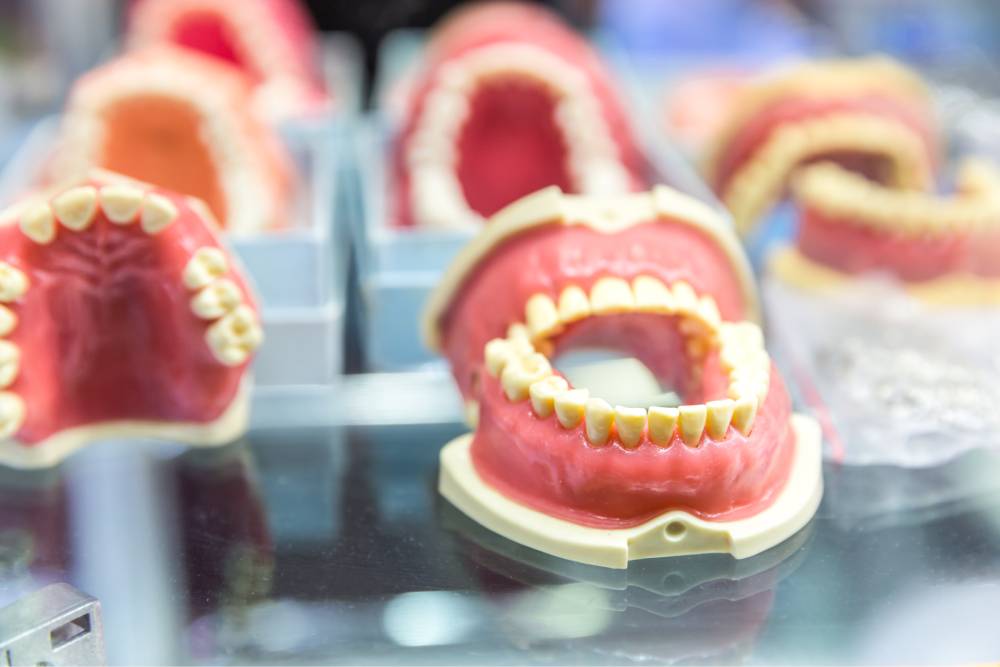
Tooth loss affects more than appearance. It changes how you chew, speak, and feel about your smile. If you’ve experienced signs that you may need dentures, learning about the different types of dentures available can help you make an informed decision.
Modern dentistry offers several solutions that vary in design, materials, and stability. For patients considering dentures in Montclair, NJ, Edgemont Dental Arts evaluates your oral health, long-term goals, and comfort preferences before recommending the most appropriate option.
Complete Dentures
Complete dentures replace an entire arch of teeth. They rest on the gum tissue and are custom-shaped to follow the natural contours of your mouth. When patients lose all upper or lower teeth, this remains a reliable restorative option.
Traditional full dentures are typically fabricated from acrylic materials. They are carefully adjusted to create suction in the upper arch and stability along the lower ridge. While many patients adapt well, lower dentures can sometimes feel less secure due to natural tongue movement and bone changes over time.
Complete dentures restore facial structure and improve speech clarity. They also allow patients to chew a wider range of foods than without teeth. For individuals with advanced bone loss, additional support may be recommended to improve comfort.
Partial Dentures
Partial dentures are designed for patients who still have several healthy teeth remaining. These appliances fill gaps while preserving natural tooth structure. They prevent adjacent teeth from shifting into empty spaces, which helps maintain alignment and bite balance.
Acrylic partial dentures are often used as transitional appliances when additional extractions are expected. They are relatively easy to adjust as oral conditions change. However, they can feel bulkier compared to metal-based options.
Cobalt chromium partial dentures use a thin metal framework that offers strength and improved fit. Because they are cast as a single piece, they tend to feel more secure and stable during function. Patients often notice better comfort and speech adaptation with this design.
When discussing the types of dentures suitable for partial tooth loss, we review long-term flexibility, durability, and overall comfort.
Immediate Dentures
Immediate dentures are placed the same day teeth are removed. This approach allows patients to leave the office with replacement teeth rather than waiting for healing to complete. It can ease the emotional transition associated with extractions.
Because the gums change shape as they heal, immediate dentures often require adjustments or relining over time. They serve as a temporary yet functional solution while tissues stabilize. Once healing is complete, a definitive denture can be fabricated for improved precision.
Immediate options fall within the broader category of different kinds of dentures that prioritize convenience during treatment transitions.
Implant-Supported Dentures
Dental implants have transformed how we approach full and partial tooth replacement. Implant-supported dentures anchor securely to titanium posts placed within the jawbone. This design significantly improves stability compared to traditional removable appliances.
Patients who struggle with loose lower dentures often benefit from implant stabilization. Placing two to four implants can convert a conventional denture into a more secure prosthesis. This reduces movement during eating and speaking and increases overall comfort.
Implant-supported dentures also help maintain bone structure by stimulating the jaw during function. For many individuals, this option restores confidence and chewing efficiency in ways traditional appliances cannot achieve alone.
When reviewing different types of dentures, implant integration represents one of the most advanced and life-changing solutions available today.
Acrylic Dentures
Acrylic dentures are often described as the traditional design. They are constructed entirely from resin materials and are relatively straightforward to modify if additional teeth are removed in the future. This flexibility makes them useful in cases where oral conditions may continue to change.
However, acrylic bases can feel thicker against the palate, which may temporarily affect speech or taste perception. Most patients adapt within a short period. Their cost-effectiveness and adaptability remain attractive features.
For patients seeking dentures in Montclair, NJ, we discuss how acrylic options fit into their overall treatment plan and long-term expectations.
Metal-Based Partial Dentures
Metal framework partial dentures use cobalt chromium alloys to create a strong yet thin base. The reduced bulk often improves comfort compared to full acrylic designs. These dentures tend to clasp securely around remaining teeth, enhancing stability.
Because they are cast as one piece, adjustments such as adding new teeth can be more complex. They also require precise laboratory craftsmanship, which influences overall cost. Despite these considerations, many patients appreciate their durability and improved fit.
These represent another example of the different kinds of dentures available for partial tooth loss.
Flexible Dentures
Flexible dentures use thermoplastic materials instead of rigid acrylic or metal frameworks. They adapt to the natural contours of the mouth and can feel more comfortable for certain patients. Their clasping components blend more discreetly with the surrounding gum tissue.
While flexible options offer aesthetic advantages, they may not always be ideal for extensive tooth loss. Material selection depends on structural requirements and bite forces. During consultation, we analyze which material best aligns with your oral anatomy.
How to Choose the Best Denture Option
Selecting among the types of dentures involves more than appearance. We consider bone levels, gum health, the number of missing teeth, and your long-term goals. Patients who anticipate additional extractions may benefit from designs that allow future modifications.
Previous experiences also matter. If you struggled with loose full dentures in the past, implant stabilization may dramatically improve function. For individuals with stable remaining teeth, metal-based partial dentures can offer reliable performance.
Open discussion during consultation allows us to explain the advantages and limitations of each approach. Our goal is to match the appliance design with your clinical needs and comfort preferences.
Schedule Your Consultation at Edgemont Dental Arts
Choosing among the different types of dentures can feel overwhelming without professional guidance. At Edgemont Dental Arts, we combine state-of-the-art technology with a welcoming, modern setting in Montclair. Our experience in implant dentistry, focus on painless care, and availability of sedation options allow us to tailor treatment to your specific needs.
Contact our office to schedule a comprehensive consultation to restore your smile and regain comfort. We will review the different types of dentures available and help you move forward with clarity and confidence.