
5 Types Of Dental Cleaning: Finding The Right One For Your Needs
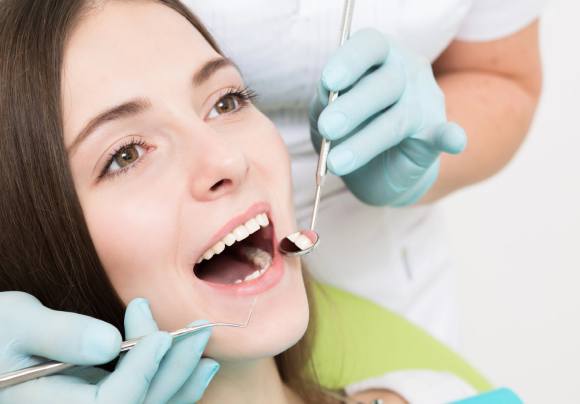
Understanding the different types of dental cleaning is essential for maintaining optimal oral health. Each cleaning method is designed to address specific needs, gum conditions, and levels of plaque buildup. By learning the distinctions among these procedures, patients can make informed choices and work with their dentist to protect their smile for years.
Why Dental Cleanings Matter
Routine dental cleanings form the foundation of preventive oral care. They remove plaque, tartar, and bacteria that brushing and flossing alone cannot eliminate. Regular cleanings reduce the risk of cavities, gum disease, and long-term complications that may require more complex treatments later.
Dental cleanings also support whole-body wellness. Studies link poor oral health to heart disease, diabetes complications, and chronic inflammation. This is why dentists emphasize consistent checkups designed to maintain both oral and systemic health.
Routine Prophylaxis (Standard Cleaning)
Prophylaxis is the most common type of cleaning, suitable for patients who maintain good oral hygiene and have healthy gums. During this appointment, a hygienist removes plaque and tartar from visible tooth surfaces and along the gumline. They finish by polishing the teeth to eliminate minor stains and leave a smooth, refreshed surface.
Routine prophylaxis is recommended every six months for most people. It is vital for preventing gum inflammation and detecting concerns early. If your teeth and gums are healthy, this standard procedure is likely the best fit for your needs.
Scaling and Root Planing (Deep Cleaning)
Scaling and root planing is a deeper cleaning procedure designed for patients with early to moderate gum disease. When plaque accumulates below the gumline, it hardens into tartar and creates pockets that allow bacteria to thrive. Deep cleaning targets these areas to stop gum disease from progressing.
The scaling portion removes buildup from tooth surfaces and roots. Root planing smooths the root surfaces to help the gums reattach and heal. Mild sensitivity is normal after treatment, but the benefits include reduced inflammation, improved gum health, and a lower risk of future damage. Dentists usually recommend this procedure when periodontal pockets exceed a normal depth.
Periodontal Maintenance Cleaning
Once a patient has undergone deep cleaning or treatment for gum disease, periodontal maintenance becomes an essential follow-up step. Unlike regular prophylaxis, periodontal maintenance focuses on preserving the results of treatment and controlling bacteria that tend to return more quickly in patients with a history of gum disease.
This type of cleaning may be scheduled every three to four months, depending on gum health. The appointment includes evaluation of gum pockets, targeted plaque removal, and monitoring of areas prone to inflammation. Patients with chronic periodontal issues rely on this maintenance for long-term stability.
Gross Debridement Cleaning
Gross debridement is recommended for patients who have not had professional dental cleanings for an extended period. Significant tartar buildup can interfere with the dentist’s ability to perform an accurate examination. In these cases, a gross debridement cleaning is performed first to remove the heaviest deposits.
Using specialized tools, the dentist or hygienist works to break up and clear away hardened plaque. This makes it easier to identify cavities, gum disease, and other issues during a subsequent routine cleaning. While not needed often, gross debridement plays a critical role for patients returning to care after many years.
Full Mouth Debridement with Diagnostic Evaluation
Full mouth debridement is a more detailed version of gross debridement, performed when the buildup is extensive enough to obstruct a complete evaluation. Its primary purpose is to restore visibility and access to all tooth surfaces so the dentist can accurately diagnose problems such as decay and periodontal disease.
After the heavy deposits are removed, the dentist performs a thorough diagnostic examination. Patients may require additional types of teeth cleaning afterward, depending on the findings. This step ensures that treatment planning is precise and tailored to the patient’s condition.
Additional Specialized Types of Teeth Cleaning
Certain cases require specialized cleaning methods that support specific patient needs. One example is air polishing, which uses a controlled stream of air, water, and gentle powder to remove plaque and stains. This technique is comfortable and useful for patients with sensitive teeth or orthodontic appliances.
Laser-assisted cleaning is another advanced option. Dental lasers help sterilize periodontal pockets and remove infected tissue with minimal discomfort. This approach is often recommended for patients undergoing periodontal therapy.
Children may receive pediatric cleanings designed to be quick, gentle, and educational. These appointments emphasize comfort and establishing positive dental habits early in life. These additional services demonstrate how different types of teeth cleaning address the diverse needs of patients.
How to Choose the Right Dental Cleaning Type
Choosing the most suitable cleaning method depends on several factors that your dentist carefully evaluates during a checkup:
- Gum Health: Dentists assess whether your gums show signs of inflammation, bleeding, or pocket depth that may indicate early or advanced gum disease.
- Plaque and Tartar Levels: The amount and location of buildup help determine whether you need routine prophylaxis, deep cleaning, or debridement.
- Time Since Your Last Cleaning: Longer gaps between visits often lead to heavier tartar deposits, which may require more extensive cleaning techniques.
- Medical History: Conditions such as diabetes or immune disorders influence gum health and guide the type of treatment recommended.
- Visible and Hidden Symptoms: Dentists check for sensitivity, swelling, or tartar beneath the gumline that may not be noticeable to the patient.
Regular professional evaluations ensure that patients receive the most effective dental cleaning types for maintaining long-term oral health.
Choosing the Best Dental Cleaning for Long-Term Oral Health
Understanding the different types of dental cleaning allows patients to choose procedures that support long-term health and prevent disease. Each method plays a unique role in preserving your smile.
At Edgemont Dental Arts, we take pride in offering comfortable and comprehensive care supported by advanced technology. We provide teeth cleaning dental checkups in Montclair, NJ, and preventive dental care services tailored to every patient. Our team specializes in painless dentistry, same-day work, and state-of-the-art techniques that make every visit smooth and stress-free. Schedule an appointment for your dental cleaning with us today.