
How to Floss Your Teeth Properly
Cleaning between your teeth once a day removes food and plaque from under the gumline, where a toothbrush cannot reach. Flossing is the most common way to do it. It takes practice to get the hang of it, so be patient with yourself and keep going. Your dentist or dental hygienist can also show you the right technique during your next teeth cleaning and dental checkup.
How to Floss Your Teeth Step by Step
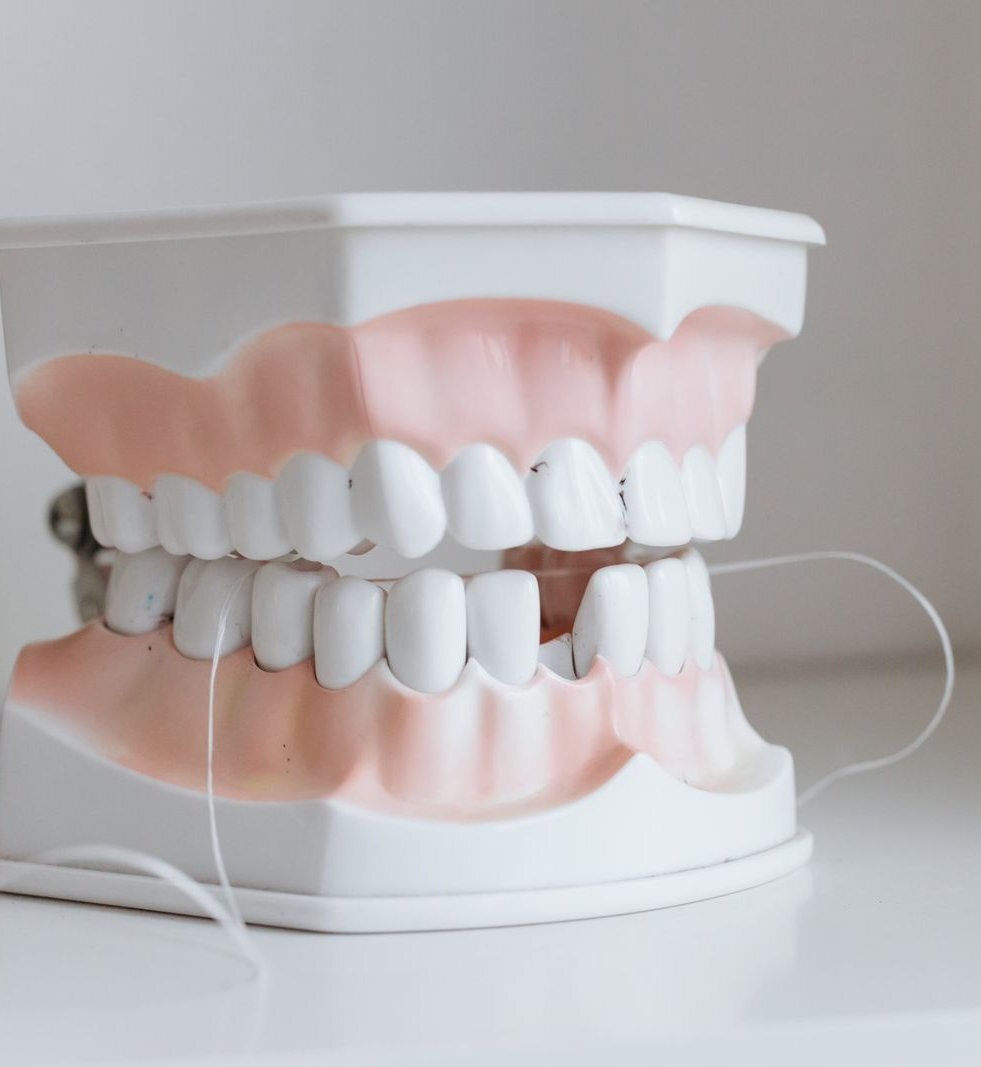
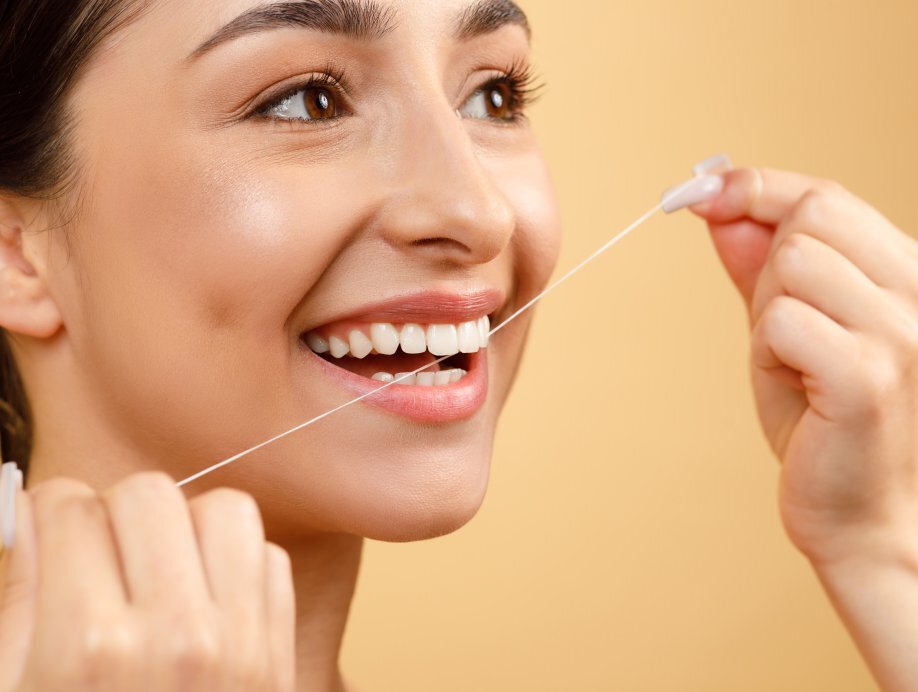
- 1. Measure the floss. Break off about 18 inches. Wind most of it around one of your index fingers, then wind the rest around a finger on your other hand. That finger will take up the used floss.
- 2. Guide it between your teeth. Hold the floss tightly between your thumbs and forefingers, and ease it between your teeth with a gentle rubbing motion. Never snap the floss into your gums, because that can injure the tissue.
- 3. Curve it into a “C.” When the floss reaches the gumline, curve it into a C-shape against one tooth. Gently slide it into the space between the gum and the tooth.
- 4. Rub up and down. Hold the floss tightly against the tooth and gently rub the side of the tooth with an up-and-down motion. Once the floss is in place, avoid a sawing motion.
- 5. Repeat on every tooth. Use a clean section of floss for each tooth by unwinding fresh floss with one finger and taking up the used floss with the other. Don’t forget the back side of your last tooth.
How Often Should You Floss?
Once a day is enough. The best time to floss is whenever you will do it consistently, and many people find bedtime easiest because it clears out the day’s plaque before you sleep.
Flossing works together with brushing, not instead of it. Brush twice a day for two minutes with a fluoride toothpaste, and replace your toothbrush every three months or sooner if the bristles are worn or frayed. Our guide on how to brush your teeth covers the technique step by step.
Waxed, Unwaxed, and Floss Picks: Which to Use
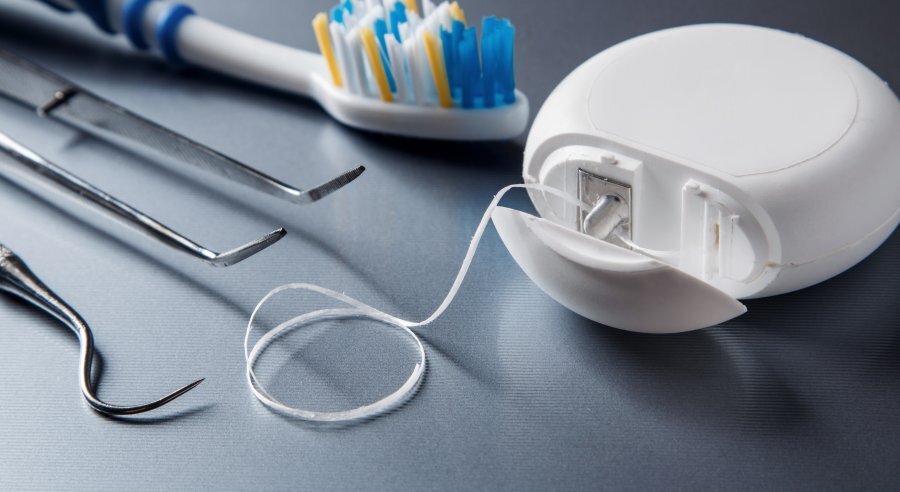
The best floss is the one you will use every day, but the differences are worth knowing:
- Waxed floss slides more easily between tight teeth and is less likely to shred.
- Unwaxed floss is thinner and can fit into tight spaces, though it may fray more easily.
- Floss picks are handy if you are just starting out, have limited dexterity, or find it hard to reach your back teeth.
Whichever you choose, look for products that show the American Dental Association Seal of Acceptance. If traditional floss is not working for you, see our guide to other ways to clean between your teeth.
Why Your Gums Bleed When You Start Flossing
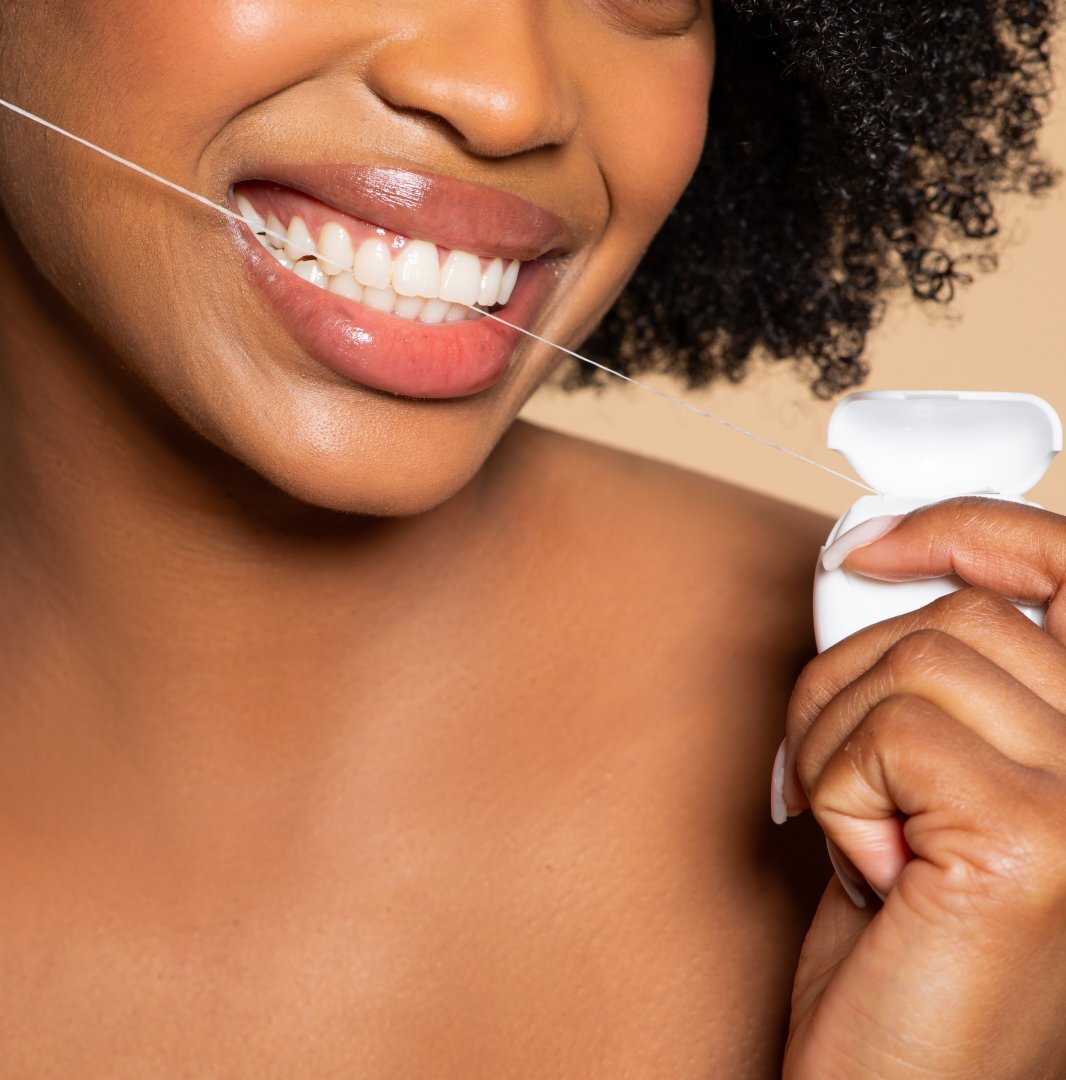
It is common for your gums to bleed when you first start flossing, or when you restart after a break. Bleeding usually means the gums are inflamed from plaque that has been left along the gumline. It does not mean you should stop.
Keep flossing gently every day, and the bleeding typically eases within a week or two as your gums get healthier. If it continues beyond that, or if you notice pain, swelling, persistent bad breath or gums pulling away from your teeth, schedule a visit. These can be signs of gum disease, and it is easier to treat when caught early. Call us at (973) 744-9330 to book an appointment.

For a Clean, Healthy Smile
For a clean, healthy smile, remember to:
- Use products that show the ADA Seal of Acceptance
- Brush twice a day with a fluoride toothpaste and for two minutes each time
- Replace your toothbrush every three months or sooner if the bristles are worn or frayed
- Clean between teeth daily with floss or another between-the-teeth cleaner
- Eat a healthy diet that limits sugary beverages and snacks
- See your dentist regularly for prevention and treatment of oral disease
FAQs
Join Our Newsletter
Receive special discounts and the latest news about treatments for concerns such as a gummy smile, along with helpful tips for maintaining a healthy, beautiful smile.