
How to Brush Your Teeth
What’s the best way to fight tooth decay and gum disease? It starts with your toothbrush. Brushing is the foundation of a healthy smile, and small details in your technique make a big difference. This guide walks you through each step, explains how often to brush, and helps you choose the right tools.
How to Brush Your Teeth in Five Steps
Take your time and work through your mouth in the same order every day. Two minutes is the goal, and a timer or a song can help you stay on track. If you would like a hands-on demonstration, our team is happy to show you the best technique during your next teeth cleaning and dental checkup.
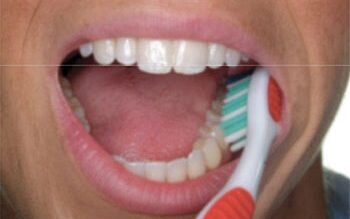
Step 1: Angle the Brush at 45 Degrees. Place the bristles against your gums at a 45-degree angle. Move the brush back and forth gently in short strokes, each about as wide as one tooth.
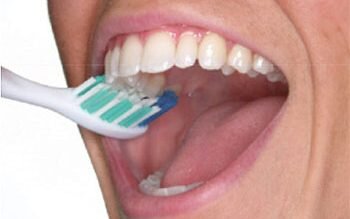
Step 2: Brush the Outer Tooth Surfaces. Keep the brush angled toward the gums as you clean the outside of your upper and lower teeth, the surfaces that face your cheeks and lips.
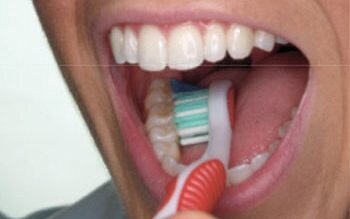
Step 3: Brush the Inner Tooth Surfaces. Repeat the same gentle motion on the inside surfaces, the side that faces your tongue and palate. These areas are easy to rush past, but plaque builds up here too.
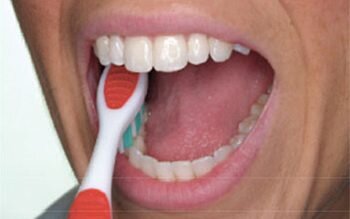
Step 4: Brush the Chewing Surfaces. Hold the brush flat and scrub the tops of your back teeth, where food and bacteria collect in the grooves.
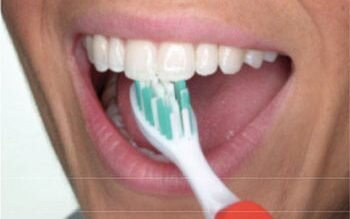
Step 5: Clean Behind Your Front Teeth. Turn the brush so the tip points toward the gums. Use a gentle up-and-down motion to clean the inside of your top and bottom front teeth.
How Often Should You Brush Your Teeth?
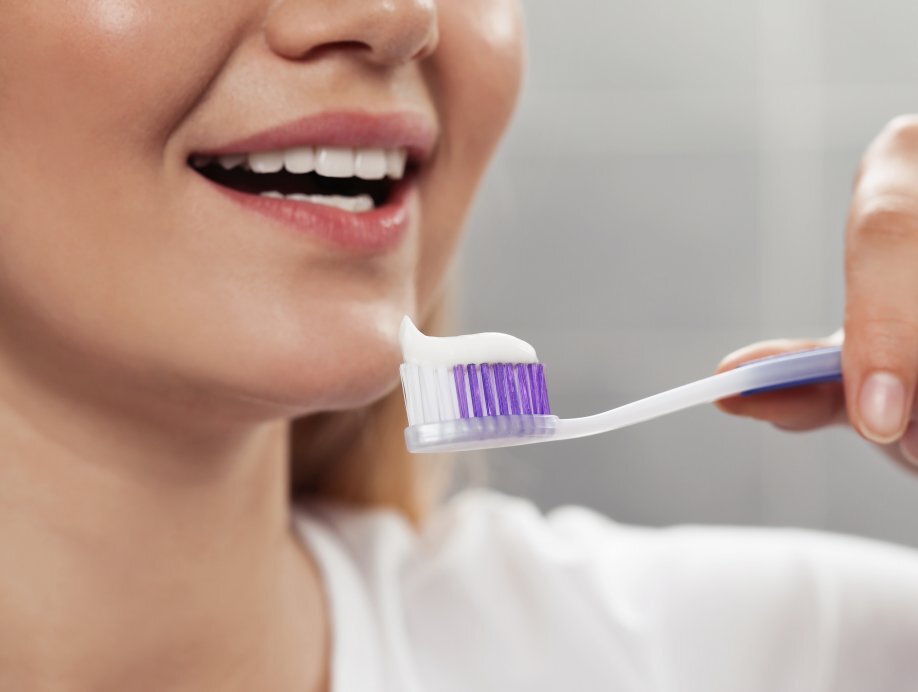
Brush twice a day for two minutes each time, ideally in the morning and before bed. Bedtime brushing matters most, because it removes the day’s plaque before you sleep.
Brushing alone does not reach everything. Once a day, clean between your teeth with floss or another interdental cleaner. This removes food and plaque from between your teeth and under the gumline, where a toothbrush cannot reach. Skipping this step is one of the most common ways plaque leads to gum disease.
Choosing a Toothbrush and Toothpaste
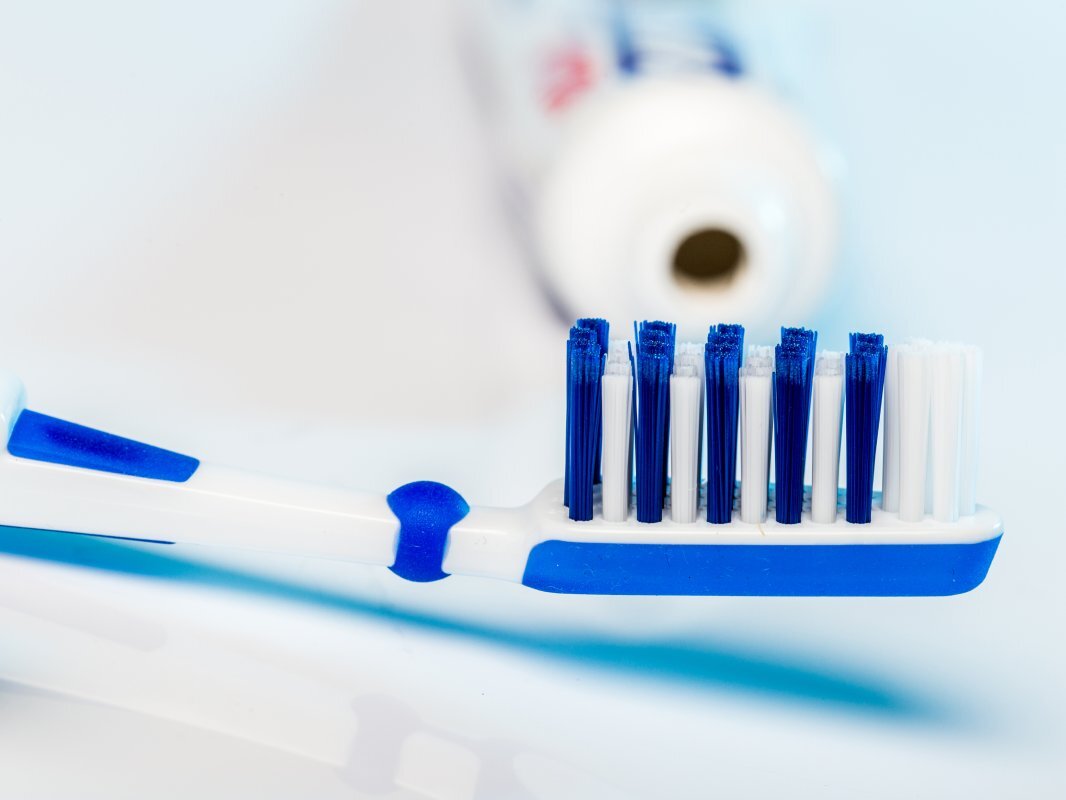
- The brush. Choose a soft-bristled toothbrush in a size and shape that feels comfortable in your mouth. Replace it every three months, or sooner if the bristles look bent or frayed, because a worn brush cleans poorly. Both manual and powered toothbrushes remove plaque effectively. A powered brush can be easier to use if you have limited movement in your hand, arm or shoulder.
- The toothpaste. Use a toothpaste with fluoride, a natural mineral that strengthens tooth enamel. When choosing a toothbrush, toothpaste or floss, look for the American Dental Association Seal of Acceptance, which shows that the product meets the ADA’s standards for safety and effectiveness.
Brushing for Children
Children need help with brushing until about age 6. Supervise them to make sure they use the right amount of toothpaste and spit it out afterward.
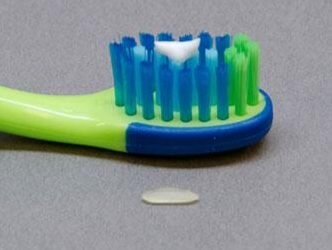
- Under age 3: Start brushing as soon as the first tooth appears, using a smear of fluoride toothpaste about the size of a grain of rice.
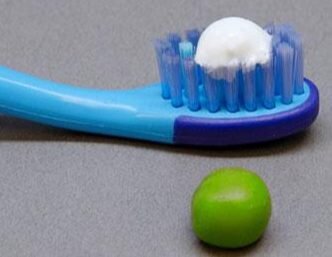
- Ages 3 to 6: Use a pea-sized amount of fluoride toothpaste.
Looking for a dentist for your child? Learn more about our children’s dentistry services in Montclair.
Common Brushing Mistakes to Avoid
- Brushing too hard. Scrubbing does not clean better. It can wear down enamel and irritate your gums, so use light pressure and a soft brush.
- Stopping too soon. Many people brush for well under two minutes. A timer helps.
- Missing the hard-to-reach spots. The gumline, the inner surfaces and the backs of your molars are the areas people skip most.
- Using a worn-out brush. Frayed bristles can’t clean properly. Replace your brush every three months and after an illness.
- Using too much toothpaste. A pea-sized amount is enough for adults and children over age 3.
- Rinsing right away. Spit out the excess toothpaste, but skip a big rinse with water so the fluoride can keep working.
- Skipping floss. Brushing cleans only part of each tooth’s surface.
Schedule Your Next Checkup
Eating a balanced diet that limits sugary beverages and snacks, along with visiting your dentist regularly, will help you keep your smile healthy for years to come.
To schedule a checkup, call us at (973) 744-9330 or read about what to expect at your first visit.
Request An AppointmentFAQs
Join Our Newsletter
Receive special discounts and the latest news about treatments for concerns such as a gummy smile, along with helpful tips for maintaining a healthy, beautiful smile.