
Dry Mouth: Causes, Symptoms and Remedies
Dry mouth, also called xerostomia (zero-STOW-me-uh), is often caused by a low flow of saliva. Saliva coats and moistens the tissues in your mouth, cleanses it, and helps digest food as you chew. When your mouth doesn’t make enough saliva, harmful germs can grow.
What Is Dry Mouth (Xerostomia)?
Having a dry mouth all or most of the time can result from other health issues or from the treatments used for them.

Symptoms of Dry Mouth
Dryness irritates the soft tissues in your mouth, which can make them sore and lead to infections. Without good saliva flow to keep your mouth clean, tooth decay and oral infections become much more common, and constant dryness may lead to more cavities and bad breath.
- Trouble with tasting, swallowing, chewing or speaking
- A burning feeling in your mouth
- Dryness in your throat
- Cracked lips
- A dry, rough tongue
- Mouth sores
Dry mouth can also make full dentures less comfortable to wear and can cause sores. Without a thin film of saliva, dentures can’t hold onto your oral tissues as well.
What Causes Dry Mouth
The most common cause of dry mouth is medication taken to treat other problems. Dry mouth is a side effect of more than 500 prescription and over-the-counter medications.
Including medications for:
- Allergies
- Colds
- Pain
- High blood pressure
- Depression
- Asthma
Read the drug inserts that come with your medications. If dry mouth is listed as a side effect, tell your dentist, hygienist or physician.
Other factors can also cause dry mouth, including:
- Radiation treatment for head and neck cancers
- Chemotherapy
- Mouth breathing
- Salivary gland disease
- Sjögren syndrome
- Diabetes
- Emotional stress

Dry Mouth Remedies and Relief
The right treatment depends on the cause. In some cases, changing a medication may help.
Your dentist or physician may suggest a special gel or liquid from the drugstore to keep your oral tissues moist, and drinking more fluids throughout the day can also help. Other ways to manage dry mouth include:
- Chewing sugar-free gum or sucking on sugar-free hard candy to increase saliva flow
- Sipping water often and with meals to moisten dry food
- Sucking on ice chips during the day
- Keeping the air moist with a humidifier at your bedside or elsewhere in your home
- Applying a lanolin-based ointment to dry lips
- Using an alcohol-free mouthwash
- Avoiding alcohol
- Avoiding all tobacco products
When to See a Dentist About Dry Mouth
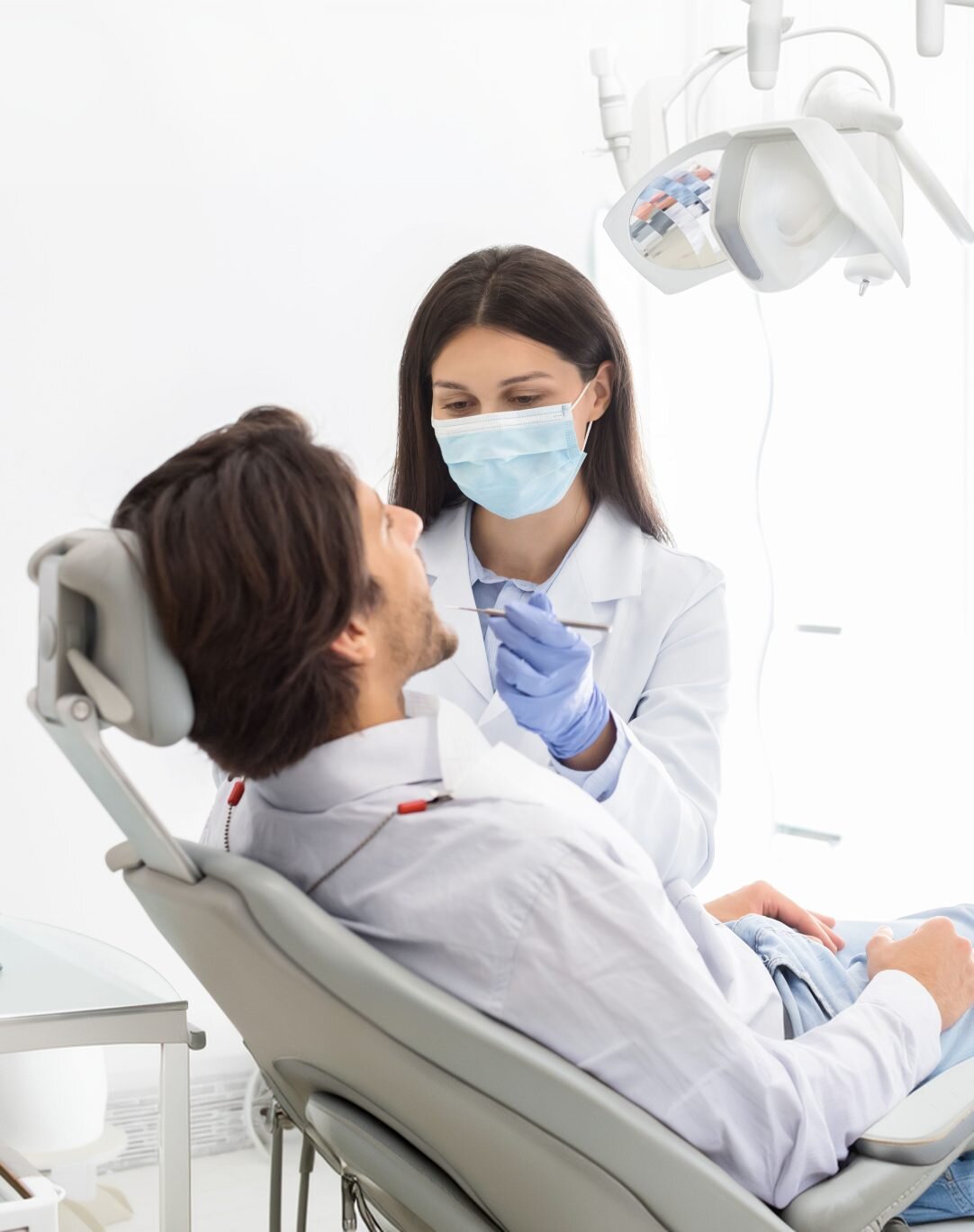
Regular dental checkups are especially important if you have dry mouth. If your mouth feels dry most of the time, or you notice soreness, burning, mouth sores, or trouble chewing, swallowing or speaking, schedule a visit. Tell your dentist about the medicines you take and any health problems you have, so we can help you find the cause. Book a teeth cleaning and dental checkup or call us at (973) 744-9330.
Without enough saliva, tooth decay and gum disease become more likely, so good daily care matters even more:
- Brush twice a day with a fluoride toothpaste for two minutes each time. See our guide on how to brush your teeth.
- Clean between your teeth at least once a day with floss or another between-the-teeth cleaner to remove food from tight spaces your toothbrush can’t reach. Learn how to floss properly.
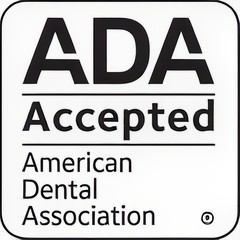
When choosing a dental product, check that it has the American Dental Association Seal of Acceptance, which means the product has been proven safe and effective.
Together, you and your dentist can manage dry mouth and bring you relief.
Request An AppointmentFAQs
Join Our Newsletter
Receive special discounts and the latest news about treatments for concerns such as a gummy smile, along with helpful tips for maintaining a healthy, beautiful smile.