
Composite Veneers Vs. Porcelain Veneers: What’s The Difference?
A patient once came to our office unhappy with chipped edges and uneven color, yet unsure which veneer option would truly suit their smile. That conversation often begins with the same comparison between composite veneers vs. porcelain veneers and how each choice affects daily life. Some patients seek quick cosmetic improvements, while others prioritize longevity and refinement. Both goals are valid, yet they lead to different clinical recommendations. This article guides you through the differences in materials, appearance, durability, and care of these veneer options, allowing you to envision how each choice may fit into your smile journey.
What Are Composite Veneers?
Composite veneers are tooth colored resin layers applied directly to the front surface of teeth to improve shape, color, balance, and overall smile harmony visually. The material is the same advanced resin used in modern dental bonding, which allows us to sculpt contours, refine edges, and adjust shade during placement precisely. Treatment usually takes place in a single visit because the resin is shaped, hardened, and polished chairside without laboratory fabrication or temporary restorations. Minimal enamel removal is often required, which appeals to patients who prefer a conservative cosmetic approach that preserves natural structure long-term overall. Composite veneers work well for small chips, gaps, uneven edges, worn areas, and subtle discoloration when underlying teeth remain healthy, strong, and stable.
What Are Porcelain Veneers?
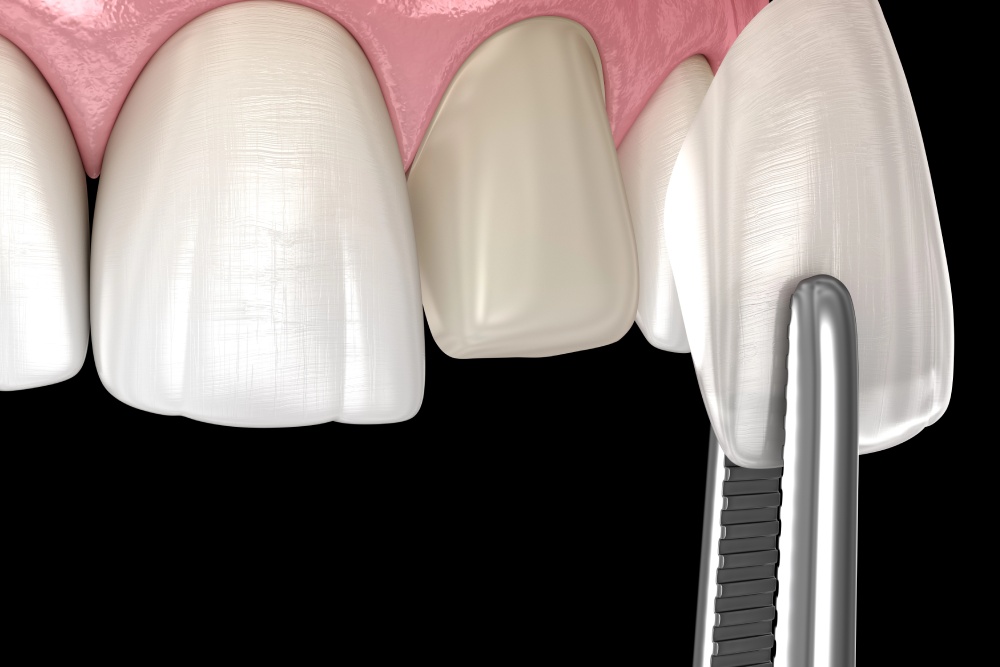
For patients seeking refined cosmetic changes, laboratory-crafted ceramic shells offer a highly polished solution for front teeth. These restorations are designed outside the mouth using impressions or digital scans, then bonded permanently during a second visit. Porcelain veneers are known for lifelike translucency, precise color control, and smooth surfaces that reflect light similar to natural enamel. A thin layer of enamel is typically reshaped to create space, which allows the veneer to sit flush and remain stable over time. This approach suits patients who prioritize long-term aesthetics, strength, and consistency in their smile results, especially when addressing significant discoloration, uneven shapes, or previous dental work that requires precise coverage and predictable outcomes over many years of normal use.
Appearance and Aesthetic Results
Visual outcome often drives veneer decisions because small differences become noticeable in everyday light. Porcelain reflects light in layers, which creates depth similar to natural enamel. Color remains consistent because ceramic resists surface changes over time. Composite veneers can still look natural, especially for minor corrections. The finish depends heavily on polishing quality and ongoing care.
Lighting conditions, smile line, and surrounding tooth color all influence how veneers appear in daily interactions for each patient and facial features. Porcelain maintains gloss longer, which helps the smile look polished during conversations and photographs across many lighting settings over time. Composite surfaces may dull sooner, yet refinishing can restore brightness without full replacement when maintained carefully by professionals. Patients who value subtle texture and depth often notice these differences more over time as years pass in real life. Understanding how materials interact with light helps you set realistic expectations for your final smile before treatment begins, together with your dentist.
Durability and Expected Lifespan
Long-term performance depends on how veneer materials respond to daily biting forces, temperature changes, and normal wear. Porcelain offers high strength once bonded, which helps it resist surface wear and maintain structure during chewing over many years. Many patients experience a lifespan that extends beyond a decade with proper care and regular dental visits. Composite resin is softer by nature, which allows flexibility during placement but leads to gradual wear over time. This difference affects how often maintenance or replacement may be needed.
Daily habits such as teeth grinding, nail biting, or chewing hard objects influence durability for both options. Composite veneers may show edge wear or small chips sooner, though repairs are often simple and completed chairside. Porcelain veneers resist wear more effectively, yet fractures usually require full replacement if damage occurs. Oral hygiene and bite alignment play a major role in longevity regardless of material. Understanding lifespan expectations helps you balance short-term goals with long-range outcomes before choosing treatment.
Tooth Preparation and Enamel Preservation
Treatment planning often begins with evaluating how much natural tooth structure must be modified to support a veneer securely. Composite veneers usually require little to no enamel reduction because the resin bonds directly to the existing surface. This conservative approach appeals to patients who value preserving as much natural structure as possible. In some cases, placement can be completed without permanently altering the tooth. That flexibility makes this option feel less invasive for many people.
Porcelain veneers require a different preparation process to create space for the ceramic shell. A thin layer of enamel is reshaped so the veneer sits flush with surrounding teeth and feels natural when biting. Once enamel is removed, the change cannot be reversed, which makes planning especially important. Proper preparation improves fit, comfort, and long-term stability. Understanding these differences helps you weigh preservation against structural needs during cosmetic planning.
Stain Resistance and Color Stability
Color behavior over time affects how confident a smile looks years after veneers are placed. Porcelain has a dense glazed surface that resists absorption from coffee, tea, wine, and everyday foods. Shades remain stable because pigments stay locked within the ceramic rather than the surface. Composite resin is more porous at a microscopic level, which allows stains to settle gradually. Routine polishing helps maintain brightness, yet color change can occur with frequent exposure.
Personal habits play a strong role in how noticeable staining becomes over time. Smoking and dark beverages accelerate discoloration more quickly for composite veneers. Porcelain remains visually consistent even with long-term use when oral hygiene stays steady. Professional cleanings support both options by removing surface buildup. Understanding how lifestyle interacts with material choice helps you plan realistic maintenance and long term appearance for years ahead, with guidance from routine dental visits and mindful daily habits that support surface integrity and color stability across seasons long term.
Repair, Maintenance, and Adjustments Over Time
Ongoing care plays a meaningful role in how veneers perform and feel as years pass. Composite veneers offer flexibility because surface chips, edge wear, or shape changes can often be corrected directly during a dental visit. Adjustments usually involve adding or reshaping resin rather than removing the entire veneer. This makes follow-up care more convenient for patients whose smiles change with age or bite patterns. Regular polishing helps maintain smoothness and comfort.
Porcelain veneers require less frequent adjustment due to their strength and stable surface. Minor issues cannot be repaired in the same way, since ceramic does not bond predictably once fractured. Replacement is typically required if damage occurs, which involves a new veneer rather than a simple touch-up. Daily oral hygiene supports both materials equally and reduces complications. Understanding how each option handles maintenance helps you anticipate future visits and long-term care needs with clarity.
Who Each Veneer Option Is Best Suited For
Personal goals often guide veneer selection because cosmetic needs vary from subtle refinement to full smile transformation. Composite veneers tend to suit patients seeking conservative changes for small chips, uneven edges, minor gaps, or localized discoloration. This option often appeals to younger patients or those who want flexibility with future changes. Shorter treatment time can also fit busy schedules. Expectations usually focus on improvement rather than complete alteration.
Porcelain veneers are often chosen by patients who want consistent results across multiple teeth. This option fits smiles affected by deeper discoloration, worn enamel, or shape inconsistencies that require precise correction. Long-term appearance and surface stability matter more for these cases. Patients with strong oral hygiene habits often benefit from the durability of ceramic. Evaluating lifestyle, bite forces, and aesthetic goals together helps guide the right match.
Making a Confident Choice for Your Smile
Every veneer decision connects appearance, longevity, tooth structure, and daily habits into one long-term outcome. Composite veneers and porcelain veneers each solve cosmetic concerns in different ways, which is why no single option fits everyone. Understanding how materials behave over time helps you avoid regret and unrealistic expectations. Thoughtful planning supports comfort, function, and visual balance together. Confidence comes from choosing a solution that matches how you live and how you want your smile to age.
At Edgemont Dental Arts, our veneer planning process goes beyond selecting a material. We evaluate enamel health, bite forces, facial proportions, and smile dynamics before recommending composite or porcelain options. Our cosmetic services include custom veneer design, conservative smile enhancements, and advanced porcelain restorations supported by digital imaging and precise bonding protocols. We also integrate related services such as general dentistry, bite adjustments, and long-term maintenance planning to protect your investment. This approach allows us to deliver results that look natural, feel comfortable, and remain stable over time.
Schedule your consultation today to discuss veneer options and smile goals. Our team is here to answer questions and guide your next steps with clarity.