
Basic Flossing
Basic Flossing
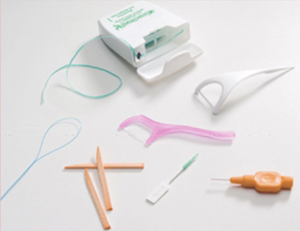 Flossing is an important part of your oral care routine. It is one of the best ways to keep your teeth and gums healthy. However, it takes a little practice to floss well. Here are some tips to help.
There are many kinds of between-the-teeth cleaners to choose from. Talk to your dentist or hygienist about which type will work the best for you.
Brushing your teeth twice a day with a fluoride (FLOOR-eyed) toothpaste is important. But, toothbrush bristles cannot reach the spaces between teeth. These spaces trap bits of food and plaque, a sticky film of decay-causing bacteria. Dental floss or other between-the-teeth cleaners can help keep these tooth surfaces plaque-free and healthy. Also, eating a healthy diet, limiting snacks, and having regular dental checkups will help you keep your smile healthy for years to come.
Start by choosing a brand of floss that shows the American Dental Association Seal of Acceptance. This means the product has met the ADA’s standards for safety and effectiveness. Your dental office may also recommend certain products for your oral health needs.
Basic Flossing
Here are some tips for flossing effectively. It may feel clumsy or awkward at first, but don’t give up! It takes a little time to get the hang of it.
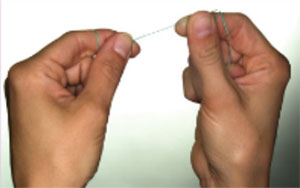 1. Break off about 18 inches of floss and wind most of it around one of your middle fingers. Wind the remaining floss around a finger on the other hand. This finger will take up the used floss.
2. Hold the floss tightly between your thumbs and forefingers. Guide the floss between your teeth, using a gentle rubbing motion. To avoid injuring your gums, never snap the floss into gum tissue.
3. When the floss reaches the gumline, curve it into a “C” shape against one tooth. Gently slide it into the space between the gum and the tooth.
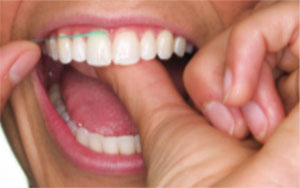
4. Hold the floss tightly against the tooth. Gently rub the side of the tooth, moving the floss away from the gum with up and down motions.
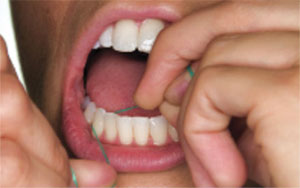
5. Repeat this method on the rest of your teeth. As you move from tooth to tooth, unwind the clean floss with one finger and take up the used floss with a finger on the other hand. Do not forget the back side of the last tooth.
Ask your dentist or hygienist to show you how to floss easily and effectively. If you have trouble handling floss, you may want to use a floss holder.