
11 Things To Consider Before Getting A Denture Reline
Quick Summary
Before a reline, confirm that the problem is fit rather than worn teeth or cracks, since a reline can only correct changes in your gums and bone. Choose between a hard and soft material, allow time to heal after extractions, and have your tissue examined first. Plan for timing, cost, and insurance, avoid home kits that can damage tissue, and commit to daily cleaning afterward. Most patients regain comfortable chewing and confident speech, and annual exams help dentures stay secure for years.
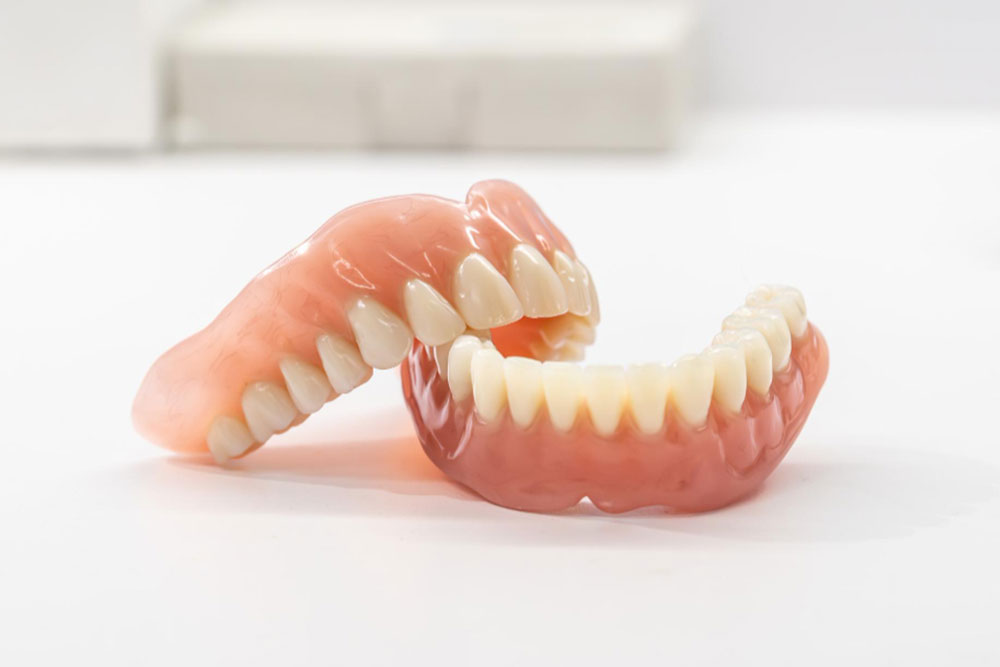
A denture reline resurfaces the inside of your denture so that it matches the shape of your gums as they are today, not as they were when the appliance was first made. Over time, gum tissue and the underlying bone change, and even a well-made denture can begin to shift, rub, or click.
Every week at Edgemont Dental Arts, we meet patients who have simply learned to live with a poor fit, when a straightforward adjustment could restore their comfort.
Before you schedule treatment, it helps to understand what a reline can and cannot accomplish. These are the 11 considerations we review with every patient in our Montclair office.
1. Recognize the Signs that Your Fit Has Changed
Dentures are made to match the contours of your mouth at a single moment in time. When they begin to feel different, it is usually because your mouth has changed. Watch for sore spots or red areas on your gums, dentures that slip when you speak or laugh, food that collects beneath the base, and a growing reliance on adhesive.
Difficulty chewing foods you once enjoyed is another clear signal. These symptoms rarely resolve on their own, and ignoring them can lead to irritation, inflammation, and further tissue loss. A prompt evaluation allows us to correct the fit before discomfort becomes a larger concern.
2. Understand How a Reline Differs From a Rebase or Replacement
These terms are often used interchangeably, but they describe different procedures. A reline adds new material to the side of the denture that touches your gums to improve fit, while the teeth and base remain unchanged. A rebase, which is part of our denture rebase and repair services, replaces the entire pink acrylic base while keeping the existing teeth, which is useful when the base is worn or damaged.
Replacement is recommended when the teeth are heavily worn or the overall bite has changed. Knowing which service you need helps you set realistic expectations and avoids paying for a solution that does not address the underlying issue.
We can assess your denture and tell you whether a reline, rebase, or replacement will work best for your situation. Regular evaluations help prevent unnecessary procedures and keep your dentures functional as your oral anatomy changes.
3. Choose Between a Hard Reline and a Soft Reline
Hard relines use a rigid acrylic that closely resembles your original denture base. They are durable, simple to clean, and suitable for most patients.
Soft denture liners use a flexible, cushioning material that can ease pressure on sensitive or thin gum tissue, which benefits patients who experience chronic sore spots. Soft materials generally need to be replaced sooner and require gentle cleaning to prevent premature wear.
Your tissue health, bite forces, and daily habits guide which material we recommend, so that the result supports both comfort and longevity.
Each material has advantages, depending on your oral health and the amount of cushioning your gums require. We also consider how easily the liner can be maintained and how frequently it may need professional attention.
4. Consider How Recently You Had Teeth Removed
After extractions, the gums and bone change shape most rapidly during the first several months. Patients who receive immediate dentures often need a reline once the tissue has settled, frequently within the first year.
Relining too early may mean repeating the procedure as swelling subsides, while waiting too long can mean months of poor fit and avoidable irritation.
At each visit, we check your healing progress and schedule the reline at the point when it will deliver the most lasting result.
5. Allow for Ongoing Changes in Your Gums and Jawbone
Bone that is no longer supported by tooth roots gradually shrinks, which is why dentures that once fit perfectly can loosen over the years. A reline compensates for this change by recreating a precise contact between the base and your tissue.
It is an effective maintenance step, but it is not a permanent solution for continuing bone loss. If significant shrinkage has occurred, we may discuss longer-term options so that you can plan with a clear understanding of how your mouth is likely to change.
6. Have Your Oral Tissue Examined First
A reline should only be performed on healthy tissue. Inflammation, irritation, or conditions such as denture stomatitis (an irritated, inflamed condition of the gums under the denture) must be treated beforehand, because relining over unhealthy tissue can trap problems beneath the appliance.
During your visit, we examine your gums, palate, and jaw for sores, lesions, or signs of pressure damage. This is also a good time to establish regular denture exam and maintenance visits, which keep both your tissue and your appliance monitored for long-term health.
7. Evaluate the Condition of the Denture Itself
Relining improves fit, but it cannot rescue a denture that has reached the end of its useful life. Cracks, heavily worn teeth, discoloration, and a bite that no longer closes evenly are signs that replacement may serve you better.
If you are considering a new appliance, it is also worth learning about implant retained dentures, which anchor securely to dental implants and can greatly reduce slipping. We are glad to review every option honestly so that your investment goes toward the solution that will serve you best.
8. Plan Around Timing and Turnaround
Few patients want to be without their teeth, even for a short time. Some relines can be finished while you wait, while others need laboratory time, and we will tell you which applies to your denture before we begin. Ask about the expected timeline at your consultation so that you can plan around work, travel, and social commitments with confidence.
Your appointment may include taking impressions, checking your bite, and assessing how the denture contacts your gums. Ask whether you will need to leave your denture with us and discuss temporary arrangements before treatment begins.
9. Review Cost, Insurance, and Financing
The cost of a reline depends on the type of material, the complexity of your case, and whether additional repairs are needed. Dental insurance coverage varies, and many plans limit how often relines are covered. We are glad to check your benefits with you and explain what your plan is likely to pay before you commit.
We go over your estimate openly before treatment begins and can discuss payment options, including financing options and in-house plans, to keep care accessible. Understanding the full picture ahead of time prevents surprises and allows you to focus on your comfort.
10. Avoid Do-It-Yourself Reline Kits
Over-the-counter kits promise a quick fix, but they carry real risks. The materials are difficult to apply evenly, may contain chemicals that irritate tissue, and can alter your bite in ways that are hard to correct. Improper use can also damage the denture and make professional adjustment more complicated later.
A professional reline uses careful impressions and laboratory-grade materials that deliver a safer, longer-lasting, and far more comfortable result.
11. Commit to Proper Denture Care Afterward
A reline performs best when it is paired with consistent habits. Clean your dentures daily with a soft brush and a non-abrasive cleanser, remove them at night, and store them in water or a recommended soaking solution. Never use hot water, which can warp the base.
Following a thoughtful denture care routine protects both your investment and your gum health, and regular checkups allow us to catch small changes early.
Taking Your Next Step
Whether your dentures feel slightly loose or have become uncomfortable, a professional evaluation is the best place to begin. At Edgemont Dental Arts, our team performs careful, comfortable denture relines in Montclair, NJ, and we can talk with you about sedation if dental visits make you anxious.
To restore the secure fit you deserve, schedule an appointment with our team today.
FAQs
How long does a reline last?
Hard relines often last several years, while soft liners usually need to be replaced more often. The exact timeline depends on your tissue changes, your habits, and how well the denture is maintained. We will give you a personalized estimate at your visit.
How often should dentures be relined?
Many patients benefit from an evaluation at least once a year. Because gums and bone change gradually, some people need a reline every one to two years, though some need it sooner after extractions.
Is a reline painful?
No. The procedure is painless for most patients and does not usually require anesthesia. If you feel anxious about dental care, sedation options are available to help you stay relaxed.
Can I leave with my dentures the same day?
Often, yes. We prioritize same-day work whenever it is clinically appropriate. Some cases require brief laboratory processing, and we will explain the timeline before we begin.
Is a reline the same as getting new dentures?
No. A reline improves the fit of your existing denture by refreshing the side that touches your gums. New dentures are recommended when the teeth, base, or bite have worn beyond what a reline can correct.