
How Do You Know If You Need A Root Canal Treatment?
Quick Summary
You likely need a root canal if you have persistent tooth pain, lingering sensitivity to hot or cold, pain when chewing, swollen gums, a darkened tooth, or a pimple-like bump on the gum. Some infected teeth cause no symptoms at all, so X-rays and an exam are the only reliable confirmation. Waiting allows infection to spread and can lead to abscess or tooth loss. Modern treatment is comfortable, usually completed in one or two visits, and is followed by a crown that protects the restored tooth for years.
How do you know if you need a root canal? For many patients, the answer begins with a discomfort they have been trying to ignore. A tooth that aches at night, a sensitivity that lingers, or a gum that looks swollen can all point to infection deep within the tooth. Fortunately, the warning signs are usually recognizable, and early treatment can save your natural tooth.
At Edgemont Dental Arts, we see this question every week, and an exam is the only way to answer it for certain. We look at your symptoms, take X-rays, and explain what we find in plain language so you know exactly where you stand.
What Is a Root Canal Treatment?
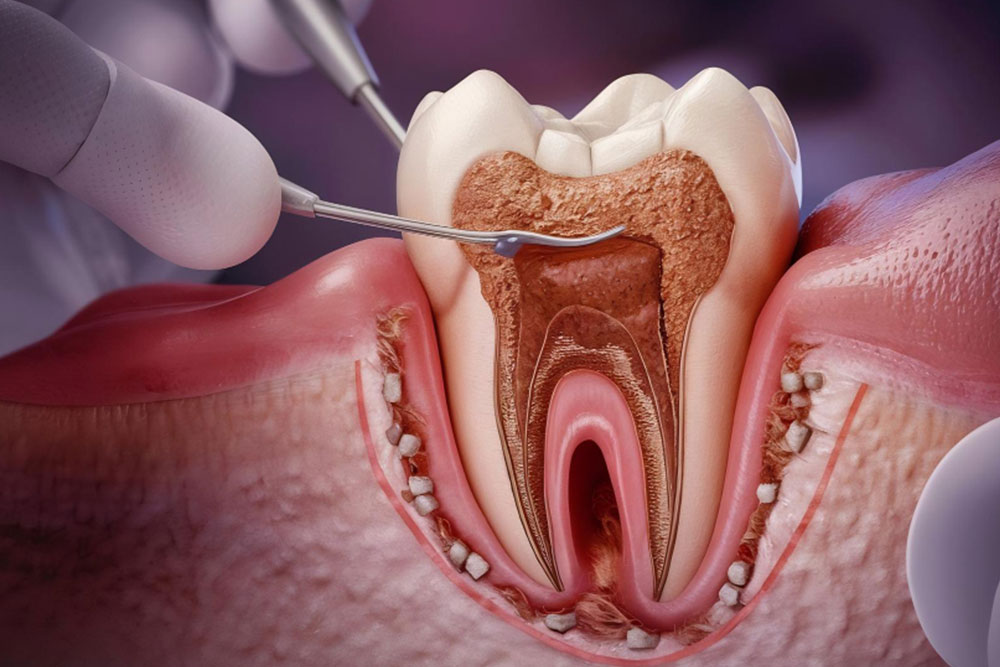
Inside every tooth lies a soft center called the dental pulp, which holds the nerve and blood vessels that help the tooth develop. Deep decay, a crack, an injury, or repeated dental work can let bacteria reach the pulp and cause swelling or infection. That infection is what leads to the aching, sensitivity, and swelling described below. In some cases, an infected tooth causes few noticeable symptoms, so a dental exam is the best way to get an accurate diagnosis.
A root canal treatment removes the damaged or infected pulp, cleans and disinfects the inner chambers and root canals, and seals the space to reduce the chance of the infection coming back. The tooth is then restored with an appropriate filling or dental crown, depending on the extent of damage and its location in the mouth.
The primary goal is to preserve your natural tooth rather than extract it. Keeping the tooth helps maintain normal chewing function, supports neighboring teeth, and prevents unwanted shifting. Modern techniques and local anesthesia make root canal treatment considerably more comfortable than many patients expect. The procedure is intended to eliminate infection and relieve pain while allowing you to retain your natural smile.
Seven Warning Signs to Watch For
1. Persistent or Severe Tooth Pain
Pain that lingers for more than a day or two, wakes you at night, or radiates to the jaw, ear, or temple is among the most reliable indicators. The discomfort may be sharp, throbbing, or dull and constant. Occasional twinges often relate to minor issues, but ongoing pain suggests that the nerve is involved. If this describes your experience, learn more about the common causes of a toothache and when it is time to be seen.
2. Lingering Sensitivity to Hot and Cold
Brief sensitivity to a cold drink is common. Sensitivity that lingers after the hot or cold drink is gone is different, because it suggests the nerve is irritated and cannot heal. Pay particular attention if the reaction intensifies over time or begins to occur with mild temperatures. Call us if this sounds familiar.
3. Pain When Biting or Chewing
Tenderness when you bite down or touch the tooth can signal swelling near the tip of the root. You may notice that a certain tooth feels slightly high or uncomfortable under pressure. This symptom often accompanies infection and should be evaluated before chewing worsens the damage. Call us if this sounds familiar.
4. Swollen, Tender, or Red Gums
Swelling near a painful tooth indicates that infection may be spreading beyond the root. The gum may feel warm, look puffy, or be sensitive to touch. In some cases, swelling extends to the face or neck, which requires urgent attention.
5. A Darkened or Discolored Tooth
A tooth that turns gray, brown, or dark after an injury or deep decay may have a pulp that is dying or has already died. The discoloration develops as internal tissue breaks down. It can occur without pain, so a change in color should never be dismissed as purely cosmetic. Call us if this sounds familiar.
6. A Pimple-Like Bump on the Gum
A small bump that appears on the gum, sometimes releasing a salty or unpleasant fluid, is often a bump that drains pus from an abscess. You may feel temporary relief when it drains, but the infection remains active and needs professional treatment.
7. A Cracked, Chipped, or Deeply Decayed Tooth
Any break that exposes the inner layers of the tooth gives bacteria a direct path to the pulp. Large cavities and teeth with large fillings carry a similar risk. Early evaluation often allows us to treat the tooth before the infection becomes painful.
When Symptoms Are Not Obvious
Some infected teeth cause little or no discomfort, particularly when the nerve has already died. These problems are often discovered on X-rays during routine care, which is why regular teeth cleaning and dental checkups matter so much.
So, how do you know if you need a root canal when nothing hurts? Only an exam and X-rays can give a reliable answer. Digital X-rays let us see the roots and the bone around them, and we explain what they show before any treatment begins.
What Happens if You Wait
Infection does not resolve by itself. Without treatment, bacteria can form an abscess, damage the surrounding bone, and in serious cases spread to other areas of the body.
Pain may subside temporarily if the nerve dies, which leads many patients to believe the problem has gone away. In reality, the infection continues silently.
Delay also reduces the likelihood of saving the tooth and may lead to extraction and a more involved replacement. If you experience facial swelling, fever, or severe pain, seek emergency dental care without delay.
What to Expect at Our Office
Comfort is central to everything we do. Local anesthesia numbs the area, so most patients say the procedure feels similar to having a filling.
Patients who feel anxious can also choose from our sedation dentistry options, which allow you to relax throughout the visit. We carefully remove the infected tissue, clean the canals, and seal the tooth.
Most patients return to normal activities the following day, with only mild soreness that is easily managed.
Protecting the Tooth Afterward
A tooth that has had a root canal becomes more brittle, so it generally needs a dental crown to restore strength and function. Our crowns are carefully crafted for a natural look and a long-lasting fit, and many crowns can be ready the same day.
Do Not Wait for the Pain to Worsen
If you are experiencing any of these symptoms, please do not delay. A root canal in Montclair, NJ is something we handle with care and comfort.
Request an appointment online or call us at (973) 744-9330, and we will help you feel better as quickly as possible.
FAQs
Is a root canal painful?
The procedure itself is comfortable because the area is fully numbed, and it is intended to relieve the pain caused by infection. Sedation options are also available for patients who feel anxious.
How long does a root canal take?
Most root canals are completed in one or two visits, depending on the tooth and the extent of the infection. Back teeth with multiple canals may take longer than front teeth.
Can antibiotics cure an infected tooth?
Antibiotics may reduce symptoms temporarily, but they cannot reach the infection inside the tooth. Treating the source through a root canal or extraction is necessary to resolve the problem.
Can I need a root canal without feeling pain?
Yes. A tooth with a dead nerve may feel completely normal while infection develops. Routine exams and X-rays help us find these problems before they progress.
What is recovery like?
Mild soreness for a few days is typical and can be managed with over-the-counter medication as we direct. We recommend avoiding hard foods on the treated tooth until the permanent restoration is in place.