
HPV and Oral Cancer: How the Vaccine Protects You
Oropharyngeal cancer can be hard to spot because it develops in places that are hard to see. The human papillomavirus (HPV) is a leading cause, and vaccination is the best way to prevent the infections that lead to it. Here is what you need to know about HPV, oral cancer and how your dentist can help.
How HPV Causes Oral and Oropharyngeal Cancer
HPV is a very common virus, and most adults are exposed to it at some point. Most of the time, the body clears the infection without any problems. Sometimes, though, the virus stays in the body, and years or even decades later it may cause cancer.
Oropharyngeal (or-oh-FARE-in-jee-al) cancer is a type of head and neck cancer that develops near the back of the mouth and throat, in places like
- The back or base of the tongue,
- The soft part of the roof of the mouth (soft palate)
- The tonsils.
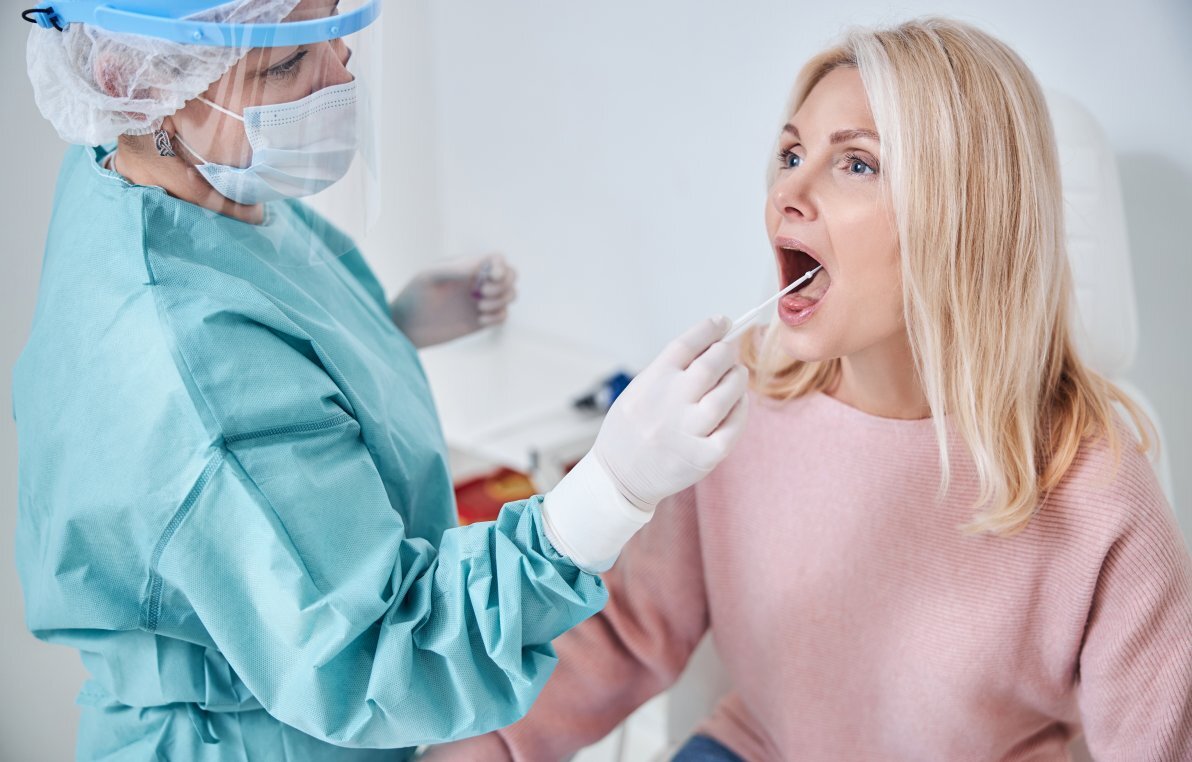
HPV is responsible for approximately 70 percent of oropharyngeal cancers. According to the CDC, HPV is linked to about 14,800 cancers of the back of the throat in the United States each year, roughly 12,500 in men and 2,300 in women. The number of HPV-related cases has been rising, with the greatest increase among men.

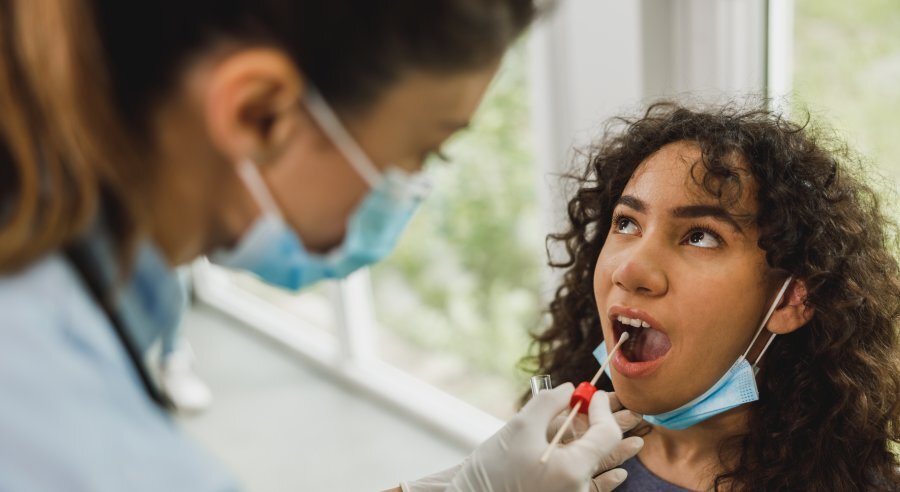
Does the HPV Vaccine Prevent Oral Cancer?
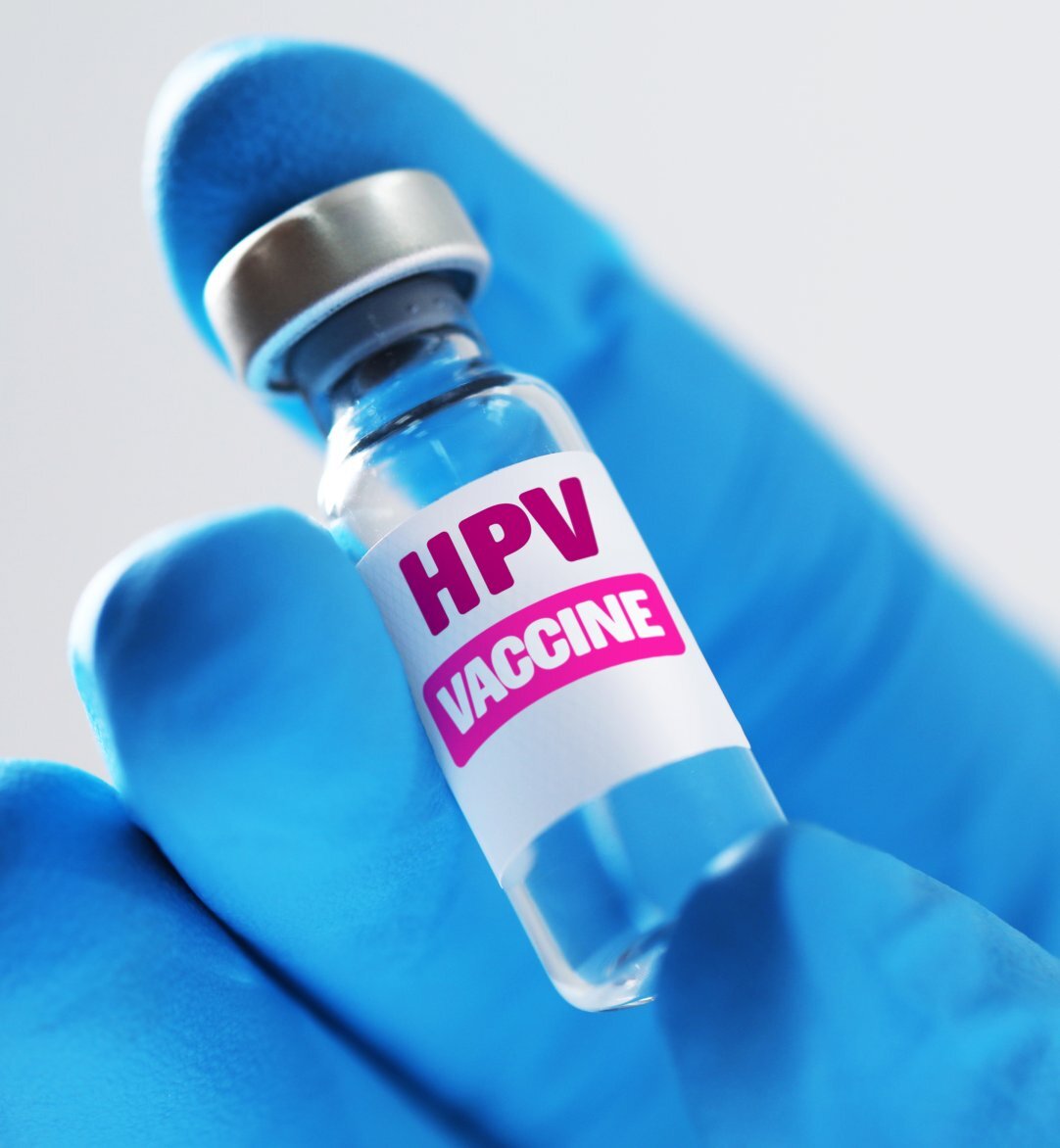
The HPV vaccine protects against the HPV types that cause most HPV-related cancers, including cancers of the back of the throat. The CDC says HPV vaccination can prevent over 90% of cancers caused by HPV. Since the vaccine was introduced in 2006, the CDC reports that infections with the HPV types that cause most HPV cancers have dropped 88% among teenage girls in the United States.
The vaccine works by preventing infection, so it is most effective when given before a person is exposed to the virus. It does not treat an existing HPV infection or cancer. Because HPV-related cancers develop years after infection, getting vaccinated at the recommended age is the best way to protect yourself.
Who Should Get the HPV Vaccine
The CDC recommends HPV vaccination for:
- Preteens at ages 11 to 12. The vaccine can be started as early as age 9.
- Teens and young adults through age 26 who did not start or finish the series.
- Some adults ages 27 to 45, after talking with their doctor about their risk of new HPV infections. The benefit is smaller in this age group because more people have already been exposed.
People with weakened immune systems should also talk to their doctor about vaccination. How many doses you need depends on your age when you start and your health, and CDC dosing guidance has been updated recently, so ask your doctor or check the CDC’s current HPV vaccine recommendations.
Your physician or your child’s pediatrician can give the vaccine. The American Dental Association and the American Academy of Pediatric Dentistry encourage dentists to support and recommend HPV vaccination, so ask us if you have questions.
Is the HPV Vaccine Safe?
The FDA and CDC monitor the safety of HPV vaccines, and the CDC reports that they are very safe and that the benefits far outweigh the potential risks.
Many people have no side effects at all. The most common ones are mild and similar to other vaccines:
- Pain, redness or swelling in the arm where the shot was given
- Fever
- Dizziness or fainting
- Headache or tiredness
- Nausea
- Muscle or joint pain
Fainting after any vaccine is more common in teenagers, so sit or lie down during the shot and for 15 minutes afterward. Tell your doctor about any severe allergies, and note that HPV vaccination is not recommended during pregnancy.
How Your Dentist Screens for Oral Cancer
Your dentist plays an important role in catching oral and throat cancers early. During a routine dental checkup, we look at your lips, tongue, cheeks, gums and the floor and roof of your mouth. We also feel your neck and jaw for lumps, and we watch for red or white patches and sores that don't heal.
Some oropharyngeal cancers form at the base of the tongue or in the tonsils, where they are difficult to see, so it also helps to know the warning signs. Tobacco use and heavy alcohol use also raise your risk. Watch for:
- A sore throat that doesn’t go away, or the feeling that something is caught in your throat
- Lumps or thickened tissue along the neck or throat
- Difficulty chewing, swallowing, speaking, or moving your jaw or tongue
- Hoarseness or a change in your voice
- Earaches or pain when you swallow
If any of these symptoms last for more than two weeks, let your dentist know. To schedule an exam, call Edgemont Dental Arts at (973) 744-9330.
Request An AppointmentFAQs
Join Our Newsletter
Receive special discounts and the latest news about treatments for concerns such as a gummy smile, along with helpful tips for maintaining a healthy, beautiful smile.