
Dental Sealants: How They Prevent Cavities
A dental sealant is a thin protective covering applied to the chewing surfaces of the back teeth. It acts as a barrier that “seals out” plaque and food, making sealants a safe, painless and easy way to help protect your teeth and keep them healthy.
What Are Dental Sealants?
Sealants on permanent molars reduce the risk of cavities by 80%, which improves your chances of staying filling-free.
How Dental Sealants Prevent Tooth Decay and Cavities
Your teeth are coated with a sticky film of bacteria called plaque. The bacteria in plaque turn sugar from the foods and drinks you consume into acids. These acids can break down enamel, the hard outer layer of your teeth. Over time, weakened enamel can lead to tooth decay and cavities, which are holes in the tooth.
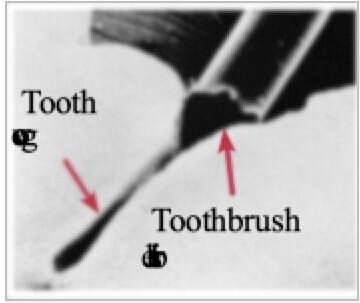
Decay often starts on the chewing surfaces of the back teeth, which are covered in pits and grooves that trap plaque and bits of food. Toothbrush bristles do not always reach into those grooves, which makes them hard to keep clean. A sealant flows into the pits and grooves and hardens, so bacteria and food can no longer get trapped there. Once your teeth are sealed, the sealant forms a barrier against acid attacks.
Even a toothbrush bristle is too big to reach inside a groove in the tooth (magnified).
How Sealants Are Applied
Sealing each back tooth takes only a few minutes, and the process is painless and doesn’t involve drilling.
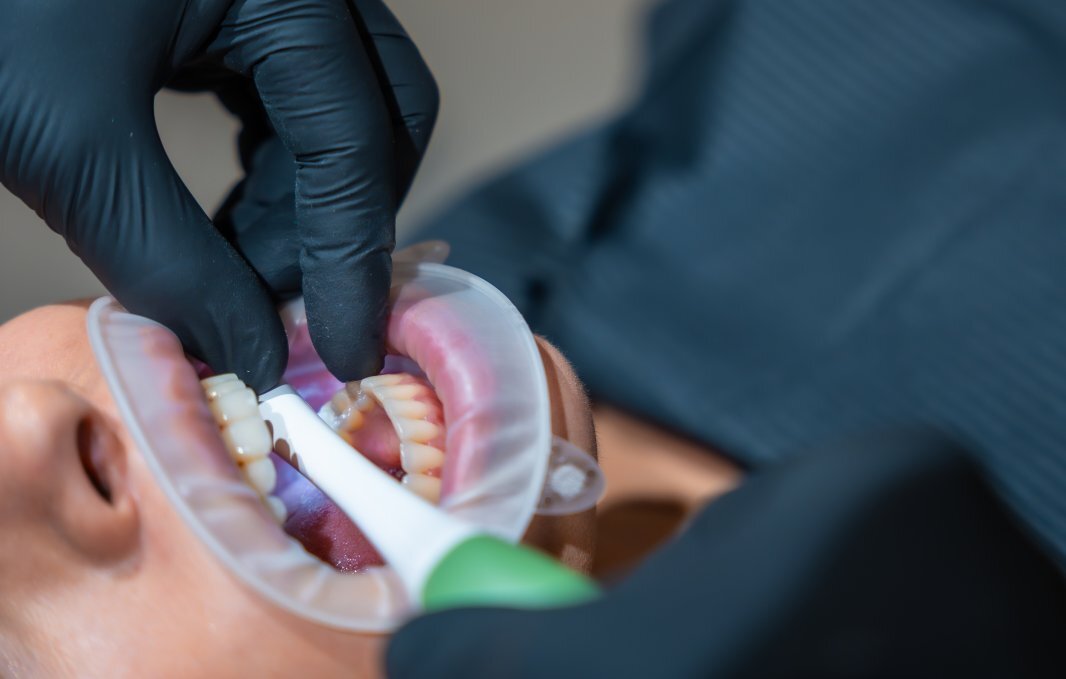
- Your tooth is cleaned, and the chewing surface is prepared so the sealant can stick.
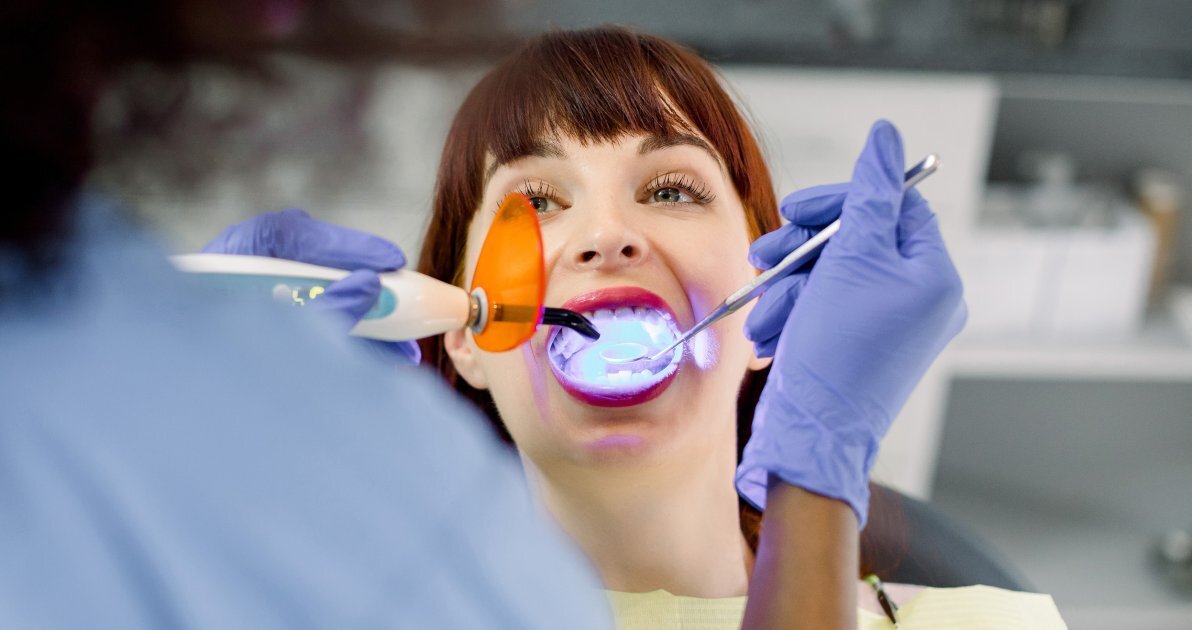
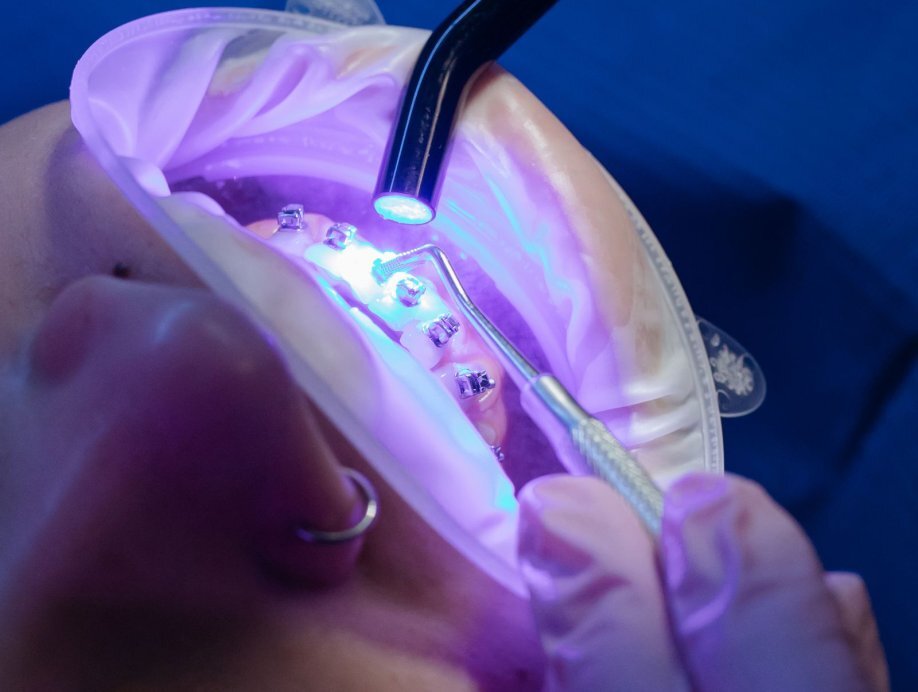
- The sealant is applied to the chewing surface, where it bonds to the tooth and hardens. A special light may be used to help it harden.
Sealants are usually clear or white, so they can’t be seen when you smile or talk.
How Long Do Dental Sealants Last?
Sealants can last several years before they need to be replaced. As long as a sealant stays intact, the tooth surface underneath stays protected from decay.
Over time, though, sealants can wear away or come off, and chewing on ice or hard foods can break them down. Once a sealant is gone, it no longer protects the tooth as well. During your regular teeth cleaning and dental checkup, your dentist will check your sealants and reapply them if needed.
Who Should Get Sealants: Children and Adults
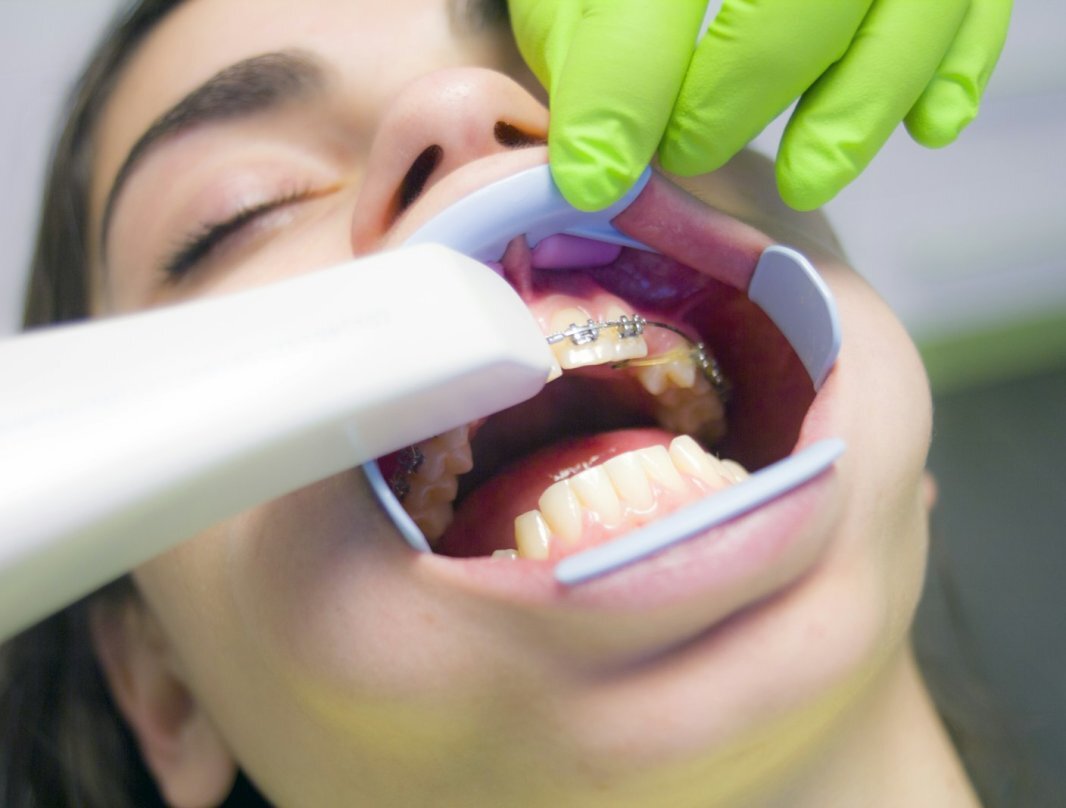
Sealants are most often placed on children and teenagers. Permanent molars come in around ages 6 and 12, and sealing them soon after they appear helps protect them during the years when cavities are most likely. Learn more about our children's dentistry services.
But you never outgrow the risk of tooth decay, so adults can benefit from sealants too. Ask us whether sealants are right for you or your family during your next visit.
Prevention Costs Less Than Treatment
Sealants are very useful for reducing the risk of decay on the back teeth, and they can help you save money over time by preventing cavities that would need fillings or more extensive care.
How Else Can You Protect Your Teeth from Decay?
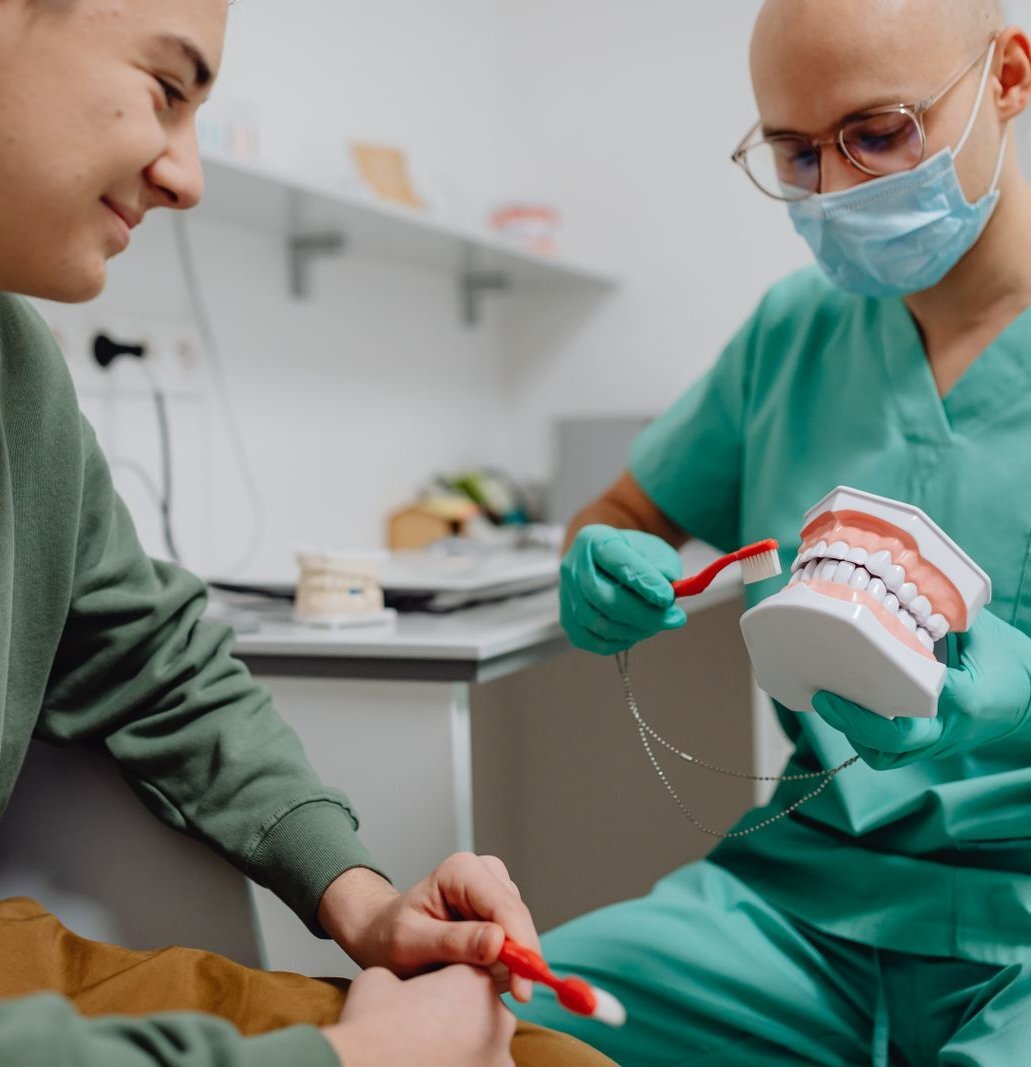
Sealants protect only the chewing surfaces of your teeth. Good care at home, along with regular exams and cleanings at the dentist, is just as important, because these habits lower your risk of cavities on all of your teeth. Be sure to:
- Brush twice a day with a fluoride toothpaste. Our guide on how to brush your teeth shows the technique step by step.
- Clean between your teeth daily. See how to floss properly if you need a refresher.
- Eat a healthy diet that limits sugary beverages and snacks.
- See your dentist regularly for prevention and treatment of oral disease.
To ask about sealants or schedule a visit, call us at (973) 744-9330. You can also learn about our insurance and financing options.
Request An AppointmentFAQs
Join Our Newsletter
Receive special discounts and the latest news about treatments for concerns such as a gummy smile, along with helpful tips for maintaining a healthy, beautiful smile.