
Debunking Dental Myths
Dental myths can keep you from the care that maintains a healthy mouth and a bright smile. When you believe false ideas about your teeth and gums, you might skip dental visits or fall into the wrong habits. It’s easy to hear a tip from a friend or online and accept it as fact.
Here are five common dental myths, corrected, so you can feel confident about your checkups and know what truly helps.
Myth: Tooth Loss Runs in the Family
The truth: Genes affect things like tooth shape and enamel strength, and they can influence your risk of cavities and gum disease. But they do not decide whether you will lose a tooth.
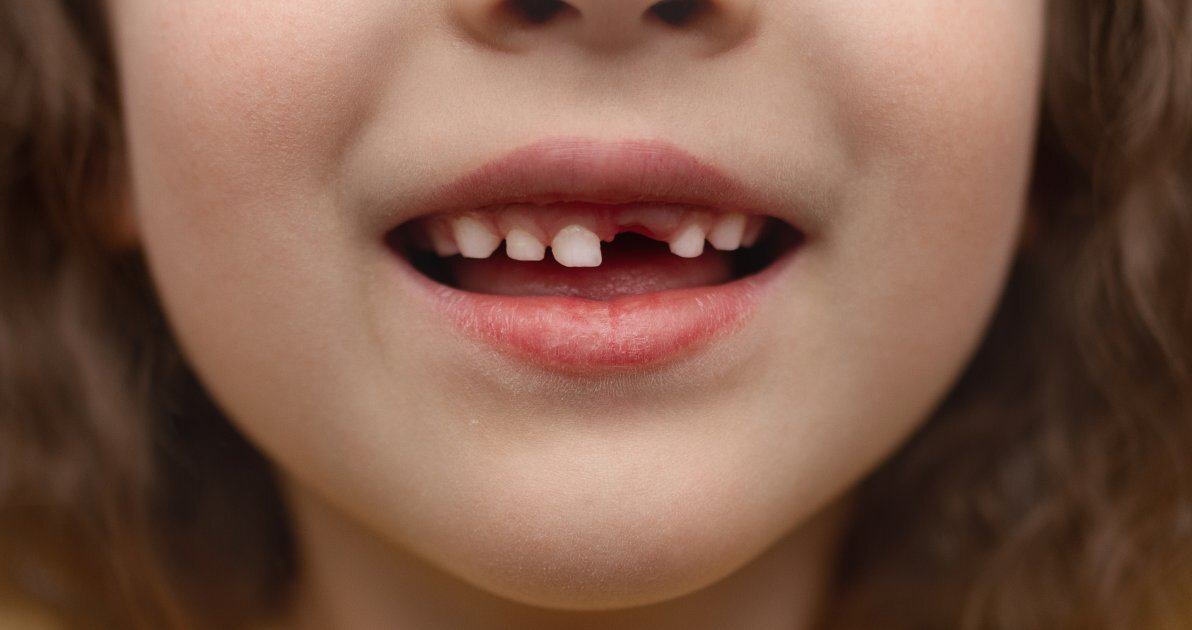
Tooth loss is caused by cavities and gum disease, and both can be prevented or treated. Believing that tooth loss is inevitable can stop you from brushing well or visiting a dentist. Brush gently with a soft brush, floss every day, and see your dentist about twice a year, or as your dentist recommends. These habits can keep your teeth sturdy well past middle age.


Myth: Harder Brushing Cleans Better
The truth: Scrubbing harder does not remove more plaque. It can wear down enamel and make your gums pull back, and once enamel thins, your teeth become sensitive. A light hand and a soft-bristled brush clean well without the damage. Angle the bristles toward the gumline and use gentle, short strokes, spending two minutes, twice a day. See our guide on how to brush your teeth for the full technique.
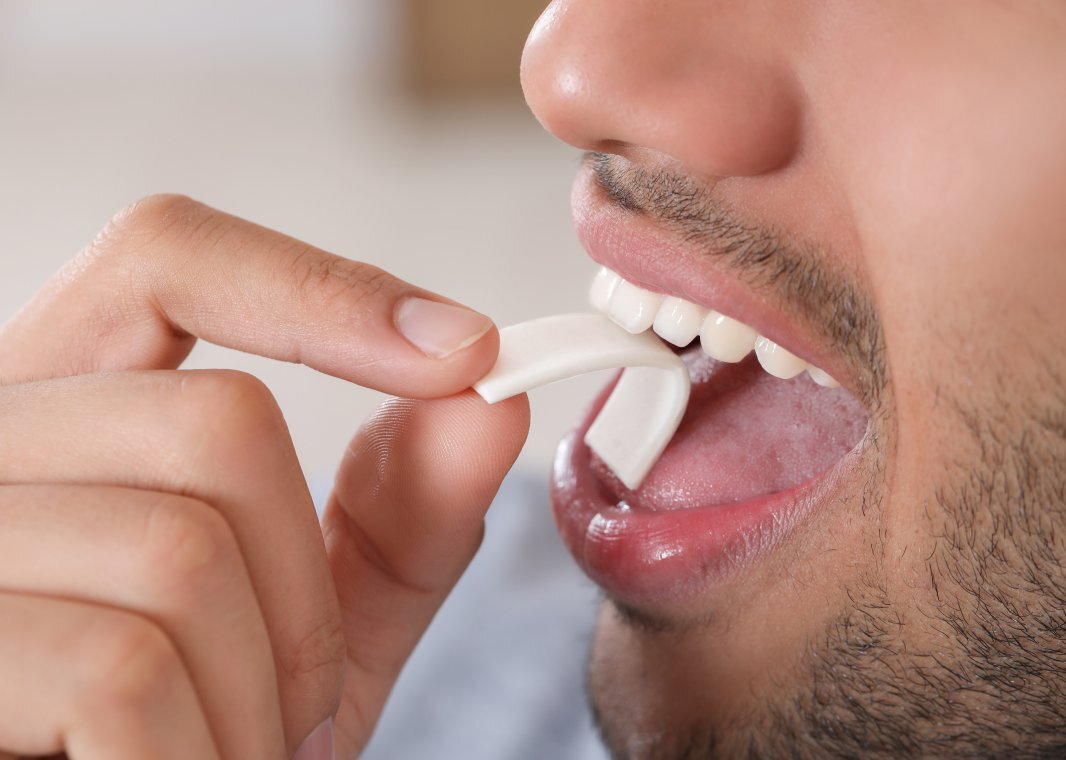
Myth: Chewing Gum Can Replace Brushing
The truth: Sugar-free gum can help freshen your breath and boost saliva flow, which helps wash bacteria away. But it does not remove the plaque stuck to your teeth.
If you chew gum instead of brushing, that sticky film builds up and leads to cavities and bad breath. Think of gum as a quick fix after lunch when you can’t brush right away, and get back to a proper brushing and flossing routine as soon as you can.
Myth: No Pain Means No Checkup Needed
The truth: Waiting until something hurts lets a small problem grow into a bigger one.
A tiny cavity can stay silent for months, but a dentist can find it during a routine checkup and treat it with a simple filling. If you wait, you might need a root canal or a crown instead. At Edgemont Dental Arts, we use advanced technology to spot issues early, and we work to make every visit comfortable, including with sedation options for nervous patients.
Myth: Dental Implants Cannot Decay
The truth: It can seem that a crown or dental implant is a cure-all for tooth trouble. An implant itself can’t get a cavity, but that doesn’t mean it is maintenance-free. Plaque still settles on the natural teeth next to an implant or crown, and plaque left around an implant can cause gum infection that threatens the implant itself. Brush and floss around these areas just as you do the rest of your mouth. Implants can last for decades when you treat them like natural teeth and keep up with daily care and regular visits.
When you come to Edgemont Dental Arts, we give you the knowledge to take control of your oral health. Start your journey to better dental health today by calling us at (973) 744-9330 to talk about your smile and how we can help you keep it healthy.
FAQs
Join Our Newsletter
Receive special discounts and the latest news about treatments for concerns such as a gummy smile, along with helpful tips for maintaining a healthy, beautiful smile.