
TMJ Disorder (TMD): Symptoms, Causes and Treatment
Do you have frequent headaches, earaches, tender jaw muscles or a dull, aching facial pain? Does your jaw lock or stray to one side when you open your mouth? These problems may be related to your jaw joint and the muscles that move it, a condition known as TMJ disorder. This guide explains the symptoms, causes and treatment options.
What Is TMJ Disorder (TMD)?
The temporomandibular (TEM-poro-man-DIB-u-lar) joint, or "TMJ," is the joint on each side of your face that connects your lower jaw to your skull. Painful conditions involving these joints and the muscles that work them are called temporomandibular disorders, or "TMD," and are often referred to as TMJ disorder.
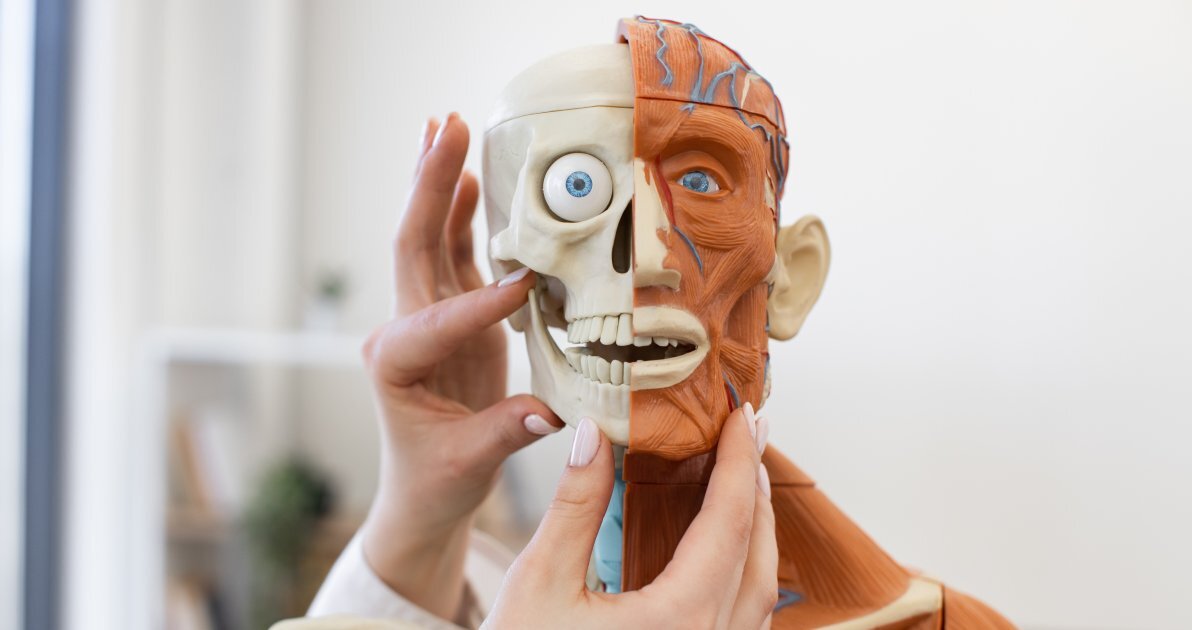
TMD is a condition, not a specific disease. Its signs and symptoms range from mild to severe, and some people have symptoms but can still function fully in their everyday lives. TMD appears to be more common in women.

TMJ Disorder Symptoms: Signs to Watch For
TMD can look different from person to person. Common symptoms include:
- Pain in or around the ear
- Tender jaw muscles
- Clicking or popping noises in the jaw
- Difficulty opening or closing the mouth
- Pain when yawning or chewing
- Jaw joints that feel “locked,” “stuck,” or as if they “go out”
- Headaches
What Causes TMJ Disorder
Several conditions may be linked with TMD, which often makes it difficult to pinpoint the cause in any one person.
Related conditions include:
- Jaw or head injuries
- Diseases that affect the muscles or joints, such as arthritis
- Tooth grinding or clenching
- Anxiety or stress

How Your Jaw Joints and Muscles Work
The TMJs and the muscles on each side of your jaw work together to open and close your mouth. These joints move in many directions, allowing you to chew, talk and swallow.
They are among the most complex joints in the body, working in a delicate balance with muscles, ligaments, cartilage and your jaw bones. When something prevents these parts from working together properly, pain can result.
TMD Treatment Options
For some people, TMD goes away on its own. For others, it comes and goes or gets worse over time, and it is often managed rather than cured. Your general dentist may recommend treatment or refer you to a physician or a dental specialist, and the best results usually come from you and your dentist working together to find what relieves your symptoms.
Treatment often follows a step-by-step plan that starts with simple approaches before moving to more involved ones. Experts generally recommend a “less is often best” approach.
Self-care practices your dentist may recommend:
- Eating softer foods and avoiding foods that trigger symptoms
- Minimizing extreme jaw movements, such as wide yawning, yelling or singing
- Avoiding chewing gum
- Using heat or ice packs to reduce pain
- Practicing relaxation techniques, such as meditation, to ease jaw tension
If needed, your dentist may also recommend:
- Exercises to strengthen the jaw muscles
- Medicines to reduce pain or inflammation, or to help you relax
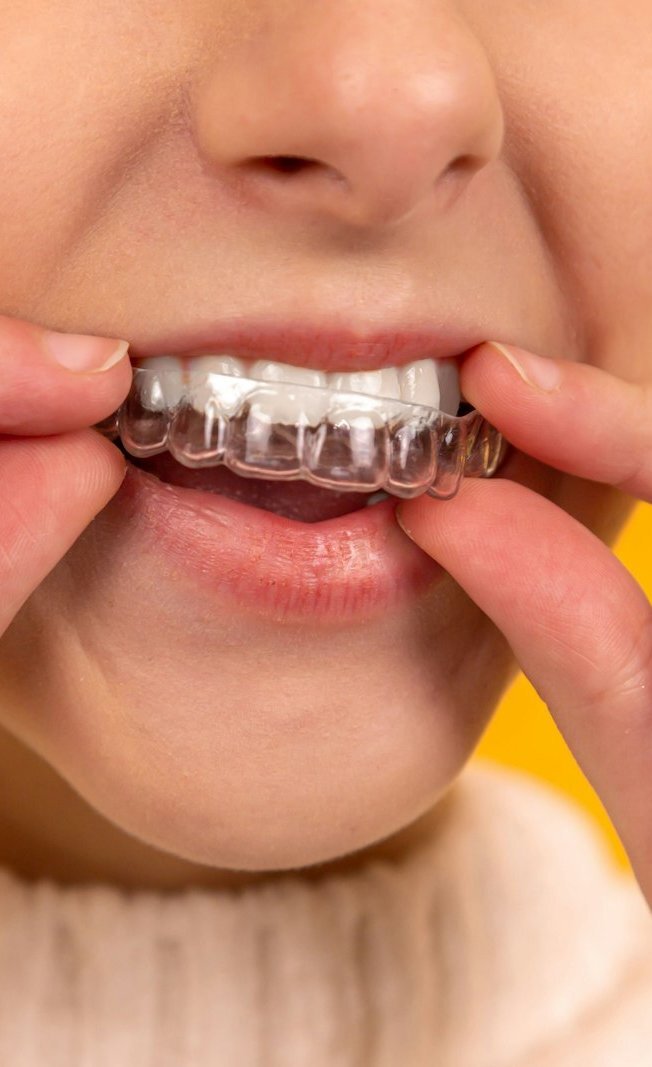
- A night guard or bite plate to decrease clenching or grinding, which we can make in our in-office digital lab
In some cases, your dentist may recommend correcting an uneven bite by adjusting or reshaping some teeth, and orthodontic treatment may also be suggested.
When to See a Dentist About Jaw Pain
Schedule a visit if your jaw pain or clicking lasts, keeps coming back, or gets in the way of eating or speaking. If your jaw locks and you can't open or close your mouth, call us right away.
A complete evaluation is the best way to find the right treatment. Your dentist may:
- Check your jaw joints and muscles for tenderness, clicking, popping or difficulty moving
- Review your complete medical history, so it’s important to keep your dental records up to date
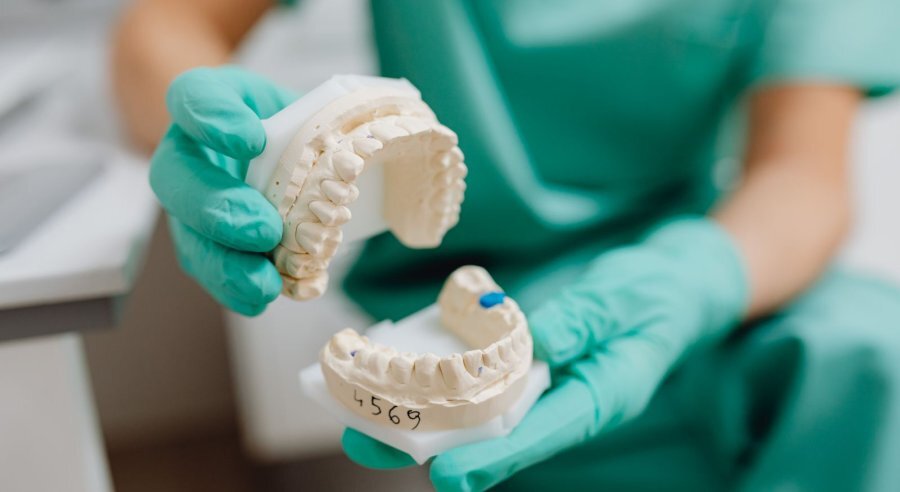
- Take X-rays and make a model of your teeth to see how your bite fits together
- Request specialized X-rays of your TMJ
Dr. Michael Davidson has advanced training in TMJ disorders. To schedule an evaluation, call Edgemont Dental Arts in Montclair, NJ at (973) 744-9330.
Request An AppointmentFAQs
Join Our Newsletter
Receive special discounts and the latest news about treatments for concerns such as a gummy smile, along with helpful tips for maintaining a healthy, beautiful smile.