
Benefits Of Digital X-Rays For Patients And Dentists
Quick Summary
Digital X-rays have replaced traditional film in most modern dental offices, offering lower radiation exposure, near-instant results, and sharper diagnostic detail. These advantages support faster treatment planning, easier storage and sharing between providers, and clearer patient education, since dentists can walk patients through their own images in real time. The technology also reduces chemical waste and physical storage needs while helping catch issues like decay or bone loss earlier than traditional methods often allow. For both patients and dentists, digital imaging makes appointments more efficient and more precise.
Dental imaging has changed dramatically over the past few decades, and one of the biggest shifts has been the move away from traditional film. Today, the benefits of digital X-rays extend well beyond convenience, touching everything from radiation exposure to diagnostic accuracy. For patients, understanding how this technology works can make dental visits feel less mysterious and more collaborative.
What Makes Digital X-Rays Different
Traditional film X-rays require chemical processing and produce a physical image that has to be stored, filed, and manually compared over time. Digital dental X-rays, by contrast, capture images electronically using a small sensor placed in the mouth, then display the results almost instantly on a computer screen. There is no waiting for film to develop, no darkroom, and no risk of a lost or damaged physical file sitting in a drawer somewhere.
This shift is part of a broader investment many practices have made in dental technology, allowing dentists to diagnose issues with more precision than was possible even ten years ago.
Lower Radiation Exposure
One of the most significant advantages of digital X-ray dental imaging is the reduction in radiation exposure. Digital sensors are far more sensitive than traditional film, which means they require significantly less radiation, often up to 80 percent less, to produce a usable image.
For patients who need X-rays regularly, whether due to orthodontic monitoring, implant planning, or ongoing restorative care, this reduced exposure adds up to meaningfully safer long-term care.
Faster Diagnosis and Treatment Planning
Because digital images appear on screen within seconds, dentists can review results with patients immediately rather than waiting for film to develop. This speed matters most in situations involving dental implants, where precise imaging of bone density and structure directly informs whether a patient is a good candidate and how the implant should be placed.
The ability to zoom in, adjust contrast, and measure directly on the digital image gives dentists a level of detail that supports more confident, accurate treatment decisions.
Faster imaging also supports same-day treatment. If a patient comes in with a toothache, a quick digital X-ray can confirm whether a root canal is needed, allowing the dentist to move forward with treatment planning in the same visit instead of scheduling a separate appointment just to review film.
Easier Storage and Sharing
Digital images are stored electronically, which means they can be pulled up instantly during future visits, compared side by side with older scans to track changes over time, and shared securely with specialists when a referral is needed.
This is particularly useful for complex cases involving dental crowns or multi-step restorative plans, where several providers may need access to the same imaging without the delays of physically transferring film.
Better Patient Education
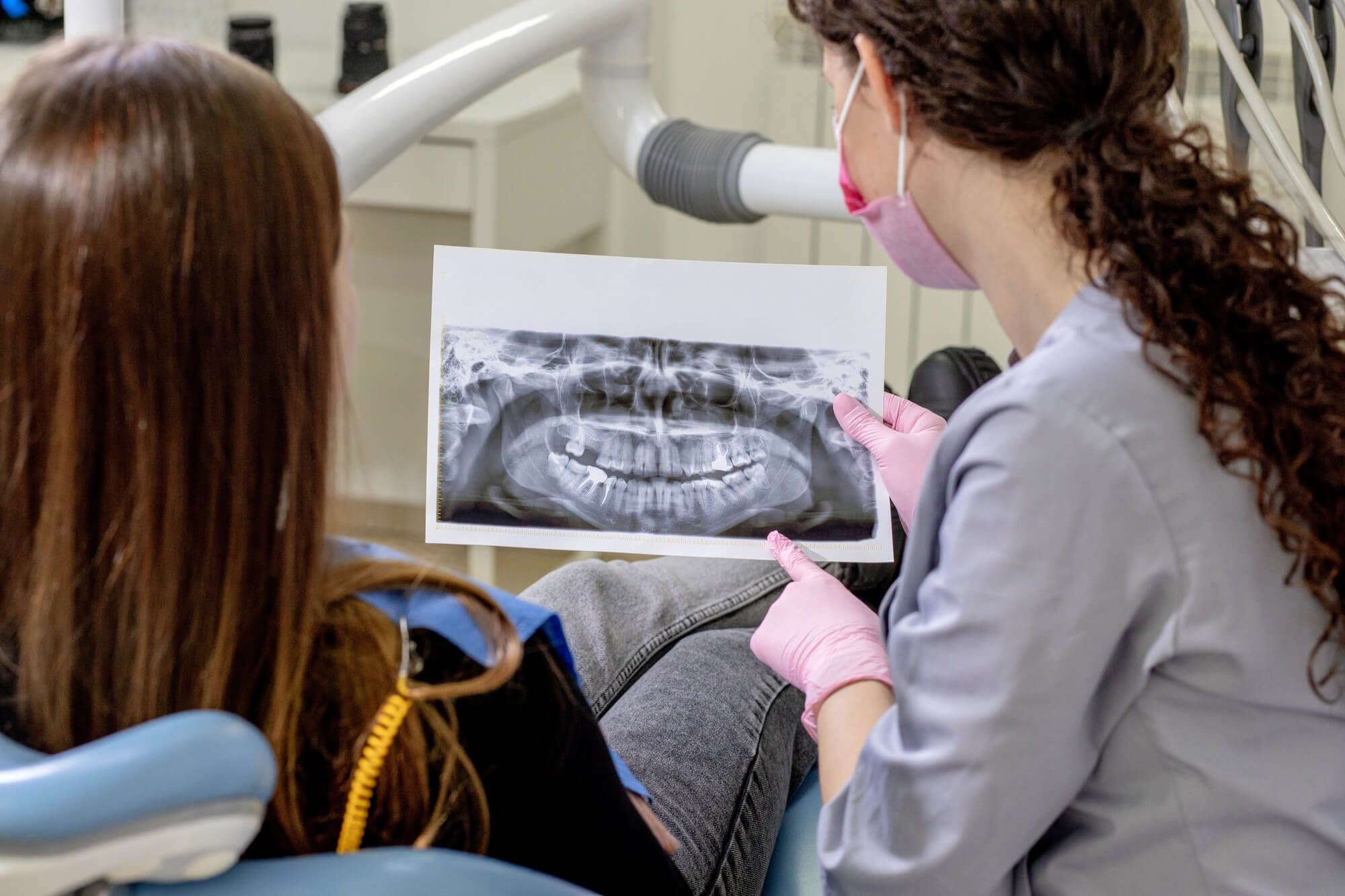
Because digital X-rays display immediately on a large monitor, dentists can walk patients through exactly what they are seeing, pointing to a shadow indicating early decay or an area of bone loss around the gum line.
This visual explanation helps patients understand recommendations for treatments like dental fillings far better than a verbal description alone, which builds trust and makes it easier for patients to feel confident in their treatment plan.
Environmental and Practical Benefits
Beyond the clinical advantages, digital X-rays eliminate the chemical processing solutions used in traditional film development, reducing hazardous waste. Practices also save physical storage space that would otherwise be filled with paper files and X-ray envelopes, and digital records are far less vulnerable to damage from fire, flooding, or simple misfiling.
Supporting Early Detection
Digital imaging plays an important role in identifying a wide range of conditions we treat, from cavities hiding between teeth to early signs of bone loss that would otherwise go unnoticed until a problem becomes painful or advanced.
Because the images can be enhanced and magnified, subtle issues that might be missed on traditional film are often caught earlier, giving patients more treatment options and typically less invasive procedures.
A Better Experience for Anxious Patients
For patients who feel nervous about dental visits, digital X-rays offer a smoother, faster process. Sensors are generally smaller and more comfortable than older film packets, and the elimination of processing time means less sitting around waiting. Combined with a comfortable office environment, this small but meaningful improvement helps reduce the overall stress of a dental appointment.
Experience the Benefits of Digital Dental Imaging
At Edgemont Dental Arts, digital X-ray technology is part of a broader commitment to using modern tools that make care more precise, efficient, and comfortable. Whether a patient is coming in for a routine checkup or exploring options like implants, having clear, detailed imaging available immediately allows the entire team to make better-informed decisions without unnecessary delays.
Edgemont Dental Arts continues to invest in tools that support painless, efficient treatment, and digital imaging is a foundational part of that approach.
If you have questions about your own dental imaging needs, call our Montclair office to learn more about how this technology supports your care.
FAQs
Are digital X-rays safe?
Yes. Digital X-rays use significantly less radiation than traditional film, often up to 80 percent less, making them a safer option for routine and frequent imaging.
How quickly can I see my digital X-ray results?
Images typically appear on screen within seconds, allowing your dentist to review and discuss them with you during the same appointment.
Do digital X-rays cost more than traditional film?
Cost can vary by practice, but many patients find the speed, accuracy, and reduced radiation exposure make digital imaging well worth it.
Can digital X-rays detect problems traditional film might miss?
Digital images can be zoomed, enhanced, and magnified, which sometimes helps dentists spot subtle issues, like small areas of decay, earlier than traditional film would reveal.
How often will I need dental X-rays?
This depends on your oral health history and risk factors. Many patients need X-rays once a year, though those with ongoing treatment, like implants, may need them more frequently.