
How Long Do Veneers Last? Understanding Their Lifespan
Quick Summary
Veneers remain a trusted cosmetic dental solution because they combine attractive aesthetics with remarkable durability when maintained through healthy daily habits and routine professional care. Material selection, oral hygiene practices, dietary choices, and individual bite patterns all influence longevity, making personalized treatment planning an important part of achieving beautiful, lasting results for every smile.
A confident smile can transform personal interactions, professional opportunities, and everyday experiences, making cosmetic dentistry an appealing choice for individuals seeking noticeable yet natural-looking improvements. Understanding how long do veneers last begins with recognizing that their longevity depends upon thoughtful treatment planning, quality materials, and consistent care after placement.
We believe every smile deserves individualized attention because no two patients share identical oral health conditions, lifestyle habits, or cosmetic expectations. Modern technology, meticulous craftsmanship, and comfortable treatment techniques allow us to create veneers that complement facial features while maintaining strength, functionality, and lasting visual appeal through everyday use.
What Determines the Lifespan of Veneers?
Every veneer experiences daily exposure to chewing forces, temperature changes, and natural wear, making several contributing factors responsible for determining its overall longevity. Material quality, placement precision, oral health, and personal habits collectively influence whether veneers remain attractive and functional for many successful years.
Professional planning also plays a meaningful role because carefully evaluating bite alignment, enamel condition, and gum health creates a stronger foundation before treatment begins. Addressing underlying dental concerns beforehand allows veneers to function comfortably while reducing unnecessary stress that may shorten their expected lifespan.
How Different Veneer Materials Compare
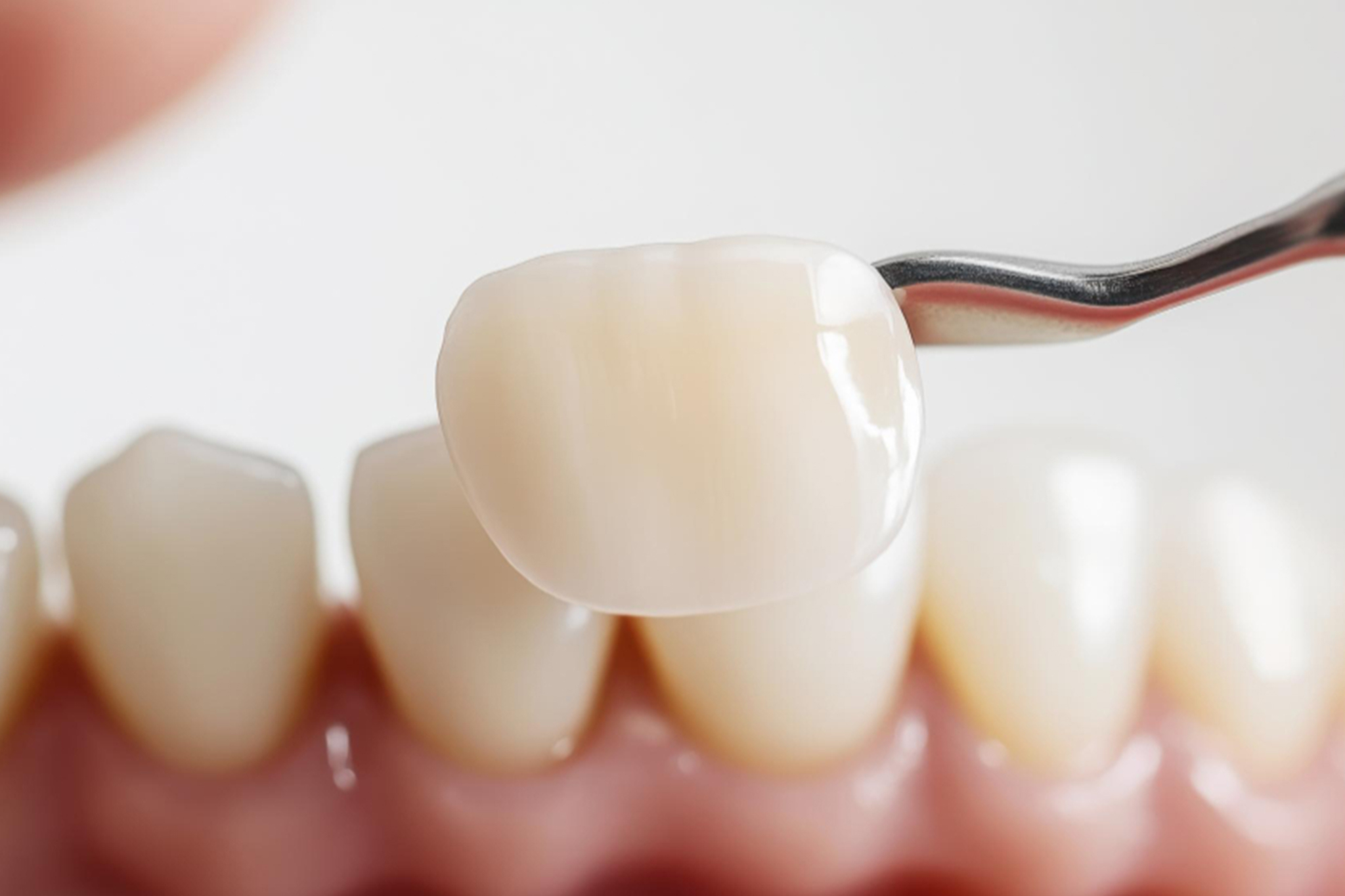
Porcelain veneers remain a preferred choice because their exceptional strength, stain resistance, and realistic appearance allow beautiful smiles to remain vibrant for many years. For patients exploring porcelain veneers in Montclair, NJ, their durable surface resists discoloration better than many alternative materials while closely resembling the natural translucency of healthy enamel.
Composite resin veneers present another cosmetic option for patients seeking smile improvements with different financial considerations or treatment timelines. Although attractive results remain possible, composite materials generally experience faster wear and may require refinements or replacement sooner than porcelain restorations under similar conditions.
Daily Habits That Influence Veneer Longevity
Everyday routines significantly affect veneer performance because repeated habits gradually influence both cosmetic appearance and structural integrity over time. Gentle brushing with non-abrasive toothpaste, daily flossing, and maintaining healthy gums create favorable conditions for veneers and surrounding natural teeth alike.
Lifestyle choices deserve equal attention because biting fingernails, chewing ice, opening packages with teeth, or consuming excessive stain-producing beverages may contribute to unnecessary wear. Protecting veneers from avoidable stress allows their appearance and function to remain consistent throughout many years of regular use.
Can Veneers Become Damaged?
Although veneers demonstrate remarkable durability, they still experience limitations when exposed to excessive force or accidental trauma beyond normal chewing activities. Sudden impacts during sports, untreated teeth grinding, or repeatedly biting extremely hard objects may create chips, cracks, or bonding complications requiring professional attention.
Recognizing subtle changes early allows timely evaluation before minor concerns develop into larger restorative challenges requiring more extensive treatment. Routine examinations allow us to identify developing issues while maintaining the health of both veneers and the natural teeth beneath them.
The Importance of Bite Alignment and Grinding
Balanced bite alignment distributes chewing pressure more evenly across teeth, reducing concentrated stress that may gradually weaken cosmetic restorations over extended periods. Small adjustments made during treatment planning create a comfortable bite while preserving veneer integrity through everyday function and natural movement.
Patients experiencing nighttime grinding or jaw clenching place considerably greater pressure upon veneers throughout many sleeping hours without realizing the activity occurs. Custom protective appliances help minimize unnecessary force while preserving both cosmetic restorations and surrounding natural tooth structures from premature wear.
Professional Care Makes a Difference
Routine dental visits remain valuable because professional examinations allow us to monitor veneer condition alongside overall oral health using advanced diagnostic technology. Early identification of developing concerns creates opportunities for conservative solutions before cosmetic or functional complications become more significant.
Professional cleanings also remove stubborn plaque and surface buildup that regular brushing cannot completely eliminate, helping veneers maintain their polished appearance while promoting healthier gums. Healthy surrounding tissues contribute significantly to the stability and long-term success of cosmetic dental restorations.
Signs That Veneers May Need Attention
Recognizing early warning signs allows timely professional attention before minor veneer concerns develop into more complex restorative needs.
- Small chips or surface cracks may indicate excessive pressure or accidental trauma that deserves prompt evaluation before additional damage occurs.
- Noticeable discoloration around veneer edges could suggest bonding changes or surrounding tooth concerns requiring professional assessment and appropriate treatment.
- Looseness or slight movement should never be ignored because secure bonding remains essential for maintaining long-term function and appearance.
Some patients ask how long veneers last after noticing these changes, although careful evaluation determines whether polishing, bonding adjustments, or replacement represents the most appropriate solution.
What Patients Can Expect Over Time
Every veneer ages differently because personal habits, oral health, bite forces, and treatment quality create unique experiences for every individual receiving cosmetic dentistry. Many patients enjoy beautiful results for many years while maintaining healthy daily routines and attending regular professional appointments without interruption.
Individuals also wonder how long veneers last on teeth because longevity remains one of the most important considerations before beginning cosmetic treatment. Understanding realistic expectations encourages informed decisions while helping patients appreciate the value of thoughtful maintenance throughout the lifespan of their veneers.
Keep Your Smile Looking Its Best
Choosing experienced professionals and maintaining healthy daily habits creates the strongest opportunity for enjoying beautiful veneers that remain functional and attractive for many years. Edgemont Dental Arts combines advanced technology, comfortable treatment techniques, and personalized care to create natural-looking smiles designed with long-term success in mind.
Schedule your consultation and discover the cosmetic treatment options that best complement your smile goals.
FAQs
How many years can porcelain veneers last?
Porcelain veneers commonly remain in excellent condition for well over a decade when maintained through healthy habits and regular professional care.
Can veneers stain like natural teeth?
Porcelain veneers resist staining remarkably well, although surrounding natural teeth may change color without consistent oral hygiene and professional cleanings.
Do veneers require special cleaning products?
Veneers remain clean through gentle brushing, daily flossing, non-abrasive toothpaste, and routine dental visits that maintain healthy surrounding tissues consistently.