
Veneers Vs. Crowns: Pros And Cons Of Each Option
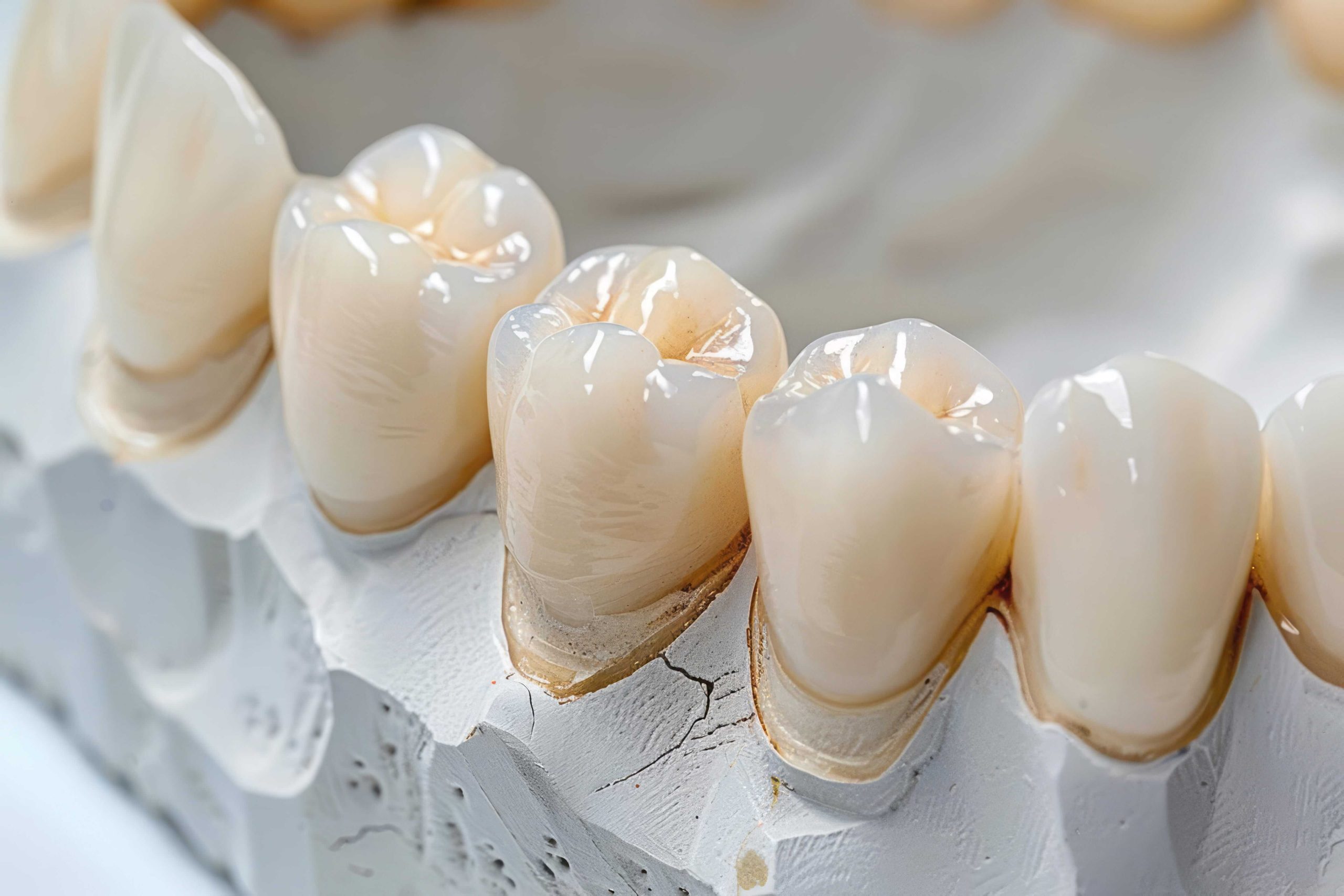
When comparing veneers vs. crowns, the decision often depends on how much natural tooth structure remains and what final appearance you desire. For patients seeking a conservative yet transformative solution, porcelain veneers in Montclair, NJ offer a beautiful way to reshape smiles with minimal enamel reduction.
At Edgemont Dental Arts, we specialize in helping patients compare restorative and cosmetic solutions with precision and care. Our team offers same-day work and painless procedures, helping you receive convenient and comfortable care whenever possible. Explore dental crowns in Montclair, NJ as another trusted option under our roof.
Key Difference Between Veneers and Crowns
The difference between veneers and crowns centers on how much natural tooth structure each method covers and protects. Veneers act like thin shells bonded to the front, while crowns function as full caps for complete coverage.
- Extent of Tooth Coverage: Veneers cover only the visible front surface and need minimal enamel removal. Crowns encase the entire visible portion of the tooth down to the gum line. This fundamental distinction determines which option works for various damage levels.
- Primary Purpose and Goal: Veneers focus almost exclusively on cosmetic enhancements like discoloration, gaps, or minor chips. Crowns prioritize structural restoration for cracked, decayed, or root-canaled teeth. Matching purpose to your specific condition leads to better long-term results.
- Tooth Preparation Required: Veneers need less than one millimeter of enamel shaving from the front surface only. Crowns require two millimeters of circumferential reduction around the whole tooth. Less preparation preserves more natural structure for veneer candidates.
- Long-Term Maintenance Approach: Veneers demand careful habits to avoid biting hard objects directly with front teeth. Crowns withstand normal chewing forces but still need regular cleaning at the gum margin. Both require excellent oral hygiene and biannual dental visits.
Pros of Choosing Dental Veneers Option
Patients seeking a minimally invasive cosmetic upgrade often prefer veneers for their natural appearance and conservative preparation. This option transforms smiles without sacrificing excessive healthy tooth structure during the process.
- Natural Aesthetic Results: Porcelain veneers mimic light reflection properties of natural enamel better than any other restoration. The material resists staining from coffee, tea, or wine while maintaining translucency. Your smile appears completely natural without the opaque look of some alternatives.
- Minimal Enamel Removal: Your dentist removes less than half a millimeter from only the tooth’s front surface. This conservative approach preserves most of your natural tooth structure for future health. Many patients appreciate keeping their teeth largely intact during treatment.
- Stain Resistance for Years: High-quality porcelain veneers will not discolor or yellow like natural teeth over time. Daily coffee drinkers and red wine enthusiasts enjoy lasting brightness without frequent whitening treatments. The surface remains smooth and glossy with normal brushing.
- Quick Cosmetic Transformation: Complete your smile makeover in just two or three dental visits over several weeks. The process includes consultation, preparation, temporary veneers, and final bonding appointment. Patients leave with dramatically improved smiles faster than orthodontic options.
Cons of Selecting Dental Veneers Option
Despite their aesthetic advantages, veneers carry specific limitations that every patient should understand before committing to treatment. These drawbacks often influence the final decision between veneers and crowns significantly.
- Irreversible Enamel Removal: Your dentist must shave away natural enamel permanently, which cannot grow back over time. Once you receive veneers, you will need some form of restoration on those teeth forever. This irreversible step concerns patients with otherwise healthy teeth.
- Higher Breakage Risk Under Pressure: Veneers can crack or chip when biting hard foods like nuts, ice, or hard candy. Unlike crowns, veneers lack the thickness needed to withstand extreme biting forces. Patients must modify eating habits to protect their investment long-term.
- Not Suitable for Severe Damage: Cracked, deeply decayed, or large-filling teeth cannot support veneers properly. The restoration needs a solid, healthy tooth surface for reliable bonding and adhesion. Severe damage automatically pushes patients toward crown treatment instead.
- Replacement Every 10 to 15 Years: Veneers eventually need replacement due to normal wear, gum line recession, or bond failure. The average lifespan falls short of crowns, meaning higher lifetime costs for younger patients. Each replacement requires additional enamel removal over time.
Pros of Choosing Dental Crowns Option
Crowns remain the gold standard for restoring teeth that have lost significant structure from decay, fractures, or large fillings. This full-coverage option delivers unmatched strength and protection for compromised posterior teeth.
- Complete Structural Protection: A crown covers the entire visible tooth like a helmet, preventing future cracks from spreading. This full encasement distributes chewing forces evenly across the restoration. Severely damaged teeth gain new life and function for decades.
- Ideal for Root Canal Teeth: Teeth receiving root canal therapy become brittle and prone to splitting without crown coverage. The crown holds the remaining tooth together, preventing catastrophic fracture during normal chewing. This protection makes crowns nearly mandatory for back root canal teeth.
- Longer Lifespan Potential: Well-maintained crowns frequently last 15 to 30 years or more with proper home care. Porcelain-fused-to-metal and zirconia crowns resist wear better than veneers over time. Older patients may never need replacement during their lifetime.
- Handles Heavy Chewing Forces: Molars and premolars restored with crowns withstand grinding, clenching, and tough foods easily. The material thickness and full coverage design prevent damage under significant pressure. Patients with bruxism or heavy bites benefit most from crown strength.
Cons of Selecting Dental Crowns Option
The protective benefits of crowns come with trade-offs that matter for cosmetic-focused patients. Understanding these disadvantages helps balance strength needs against aesthetic desires for front teeth.
- Extensive Tooth Reduction Required: Your dentist must remove two millimeters of enamel from the entire tooth circumference. This aggressive preparation permanently sacrifices significant healthy tooth structure forever. Some patients hesitate to remove this much natural enamel unnecessarily.
- Higher Cost Than Veneers: Crowns generally cost more than veneers due to greater material volume and laboratory work. The price difference ranges from two hundred to over one thousand dollars per tooth. Insurance may cover part of crown costs but rarely covers purely cosmetic veneers.
- Potential Gum Line Darkening: Older metal-ceramic crowns can show a dark line at the gum margin over time. This aesthetic concern matters most for front tooth crowns visible when smiling. All-porcelain or zirconia crowns avoid this problem but cost more initially.
- Possible Tooth Sensitivity: Some patients experience temporary hot and cold sensitivity after crown placement. The extensive preparation brings the restoration closer to the tooth’s nerve chamber. Sensitivity usually resolves within weeks but can persist in rare cases.
Cost Considerations for Veneers Vs. Crowns
The financial comparison between veneers vs. crowns depends on materials, laboratory fees, and your dental insurance benefits. Veneers typically cost less per tooth but may require earlier replacement, increasing lifetime expenses. Crowns have higher upfront costs but often last longer, particularly on back teeth. Insurance rarely covers purely cosmetic veneers, while crowns receive partial coverage when restoring damaged teeth.
Durability Factors in Veneers Vs. Crowns
Porcelain veneers last approximately ten to fifteen years under normal use without excessive biting forces. Dental crowns routinely survive fifteen to thirty years, especially zirconia or gold materials. Crowns resist chipping and cracking far better than veneers when chewing hard foods. Patients with bruxism or heavy bites should choose crowns for posterior restorations.
Best Situations for Veneers Vs. Crowns
Choose veneers for permanently stained, slightly crooked, gapped, or chipped front teeth with minimal decay. Select crowns for cracked, root-canaled, large-filling, or severely decayed teeth anywhere in the mouth. Veneers work poorly for patients who grind teeth or bite hard objects regularly. Crowns excel when more than half of the natural tooth structure is already missing.
FAQs
Which lasts longer between veneers and crowns for front teeth?
Crowns generally last longer than veneers even on front teeth due to full coverage protection. Front crowns may last twenty years while veneers often need replacement at twelve to fifteen years. However, many patients prefer veneers for their natural appearance despite shorter lifespan.
Can I switch from veneers to crowns without problems later?
Yes, you can replace old veneers with crowns when your existing restorations fail or wear out. Your dentist will remove the remaining veneer material then prepare the tooth fully for crown placement. This conversion requires additional enamel removal beyond the original veneer preparation.
Do veneers or crowns require special cleaning tools or methods?
Both restorations need only standard brushing and flossing without special tools or complicated techniques. Focus on cleaning along the gum margin where the restoration meets natural tooth structure. Avoid biting hard objects like ice, pens, or fingernails to protect both options.
Schedule Your Smile Consultation With Edgemont Dental Arts
Stop wondering which option fits your needs and let our clinical team give you real answers. At Edgemont Dental Arts, we offer painless cosmetic dentistry in Montclair, NJ and advanced restorative care under one comfortable roof. Our same-day technology and sedation options make treatment convenient for even the busiest schedules. Experience our precision-driven smile makeover in Montclair, NJ process designed to last longer and feel better. Call us now to book your veneers vs. crowns consultation.