
Comparing Types Of Dental Crowns: Cost, Pros, And Cons
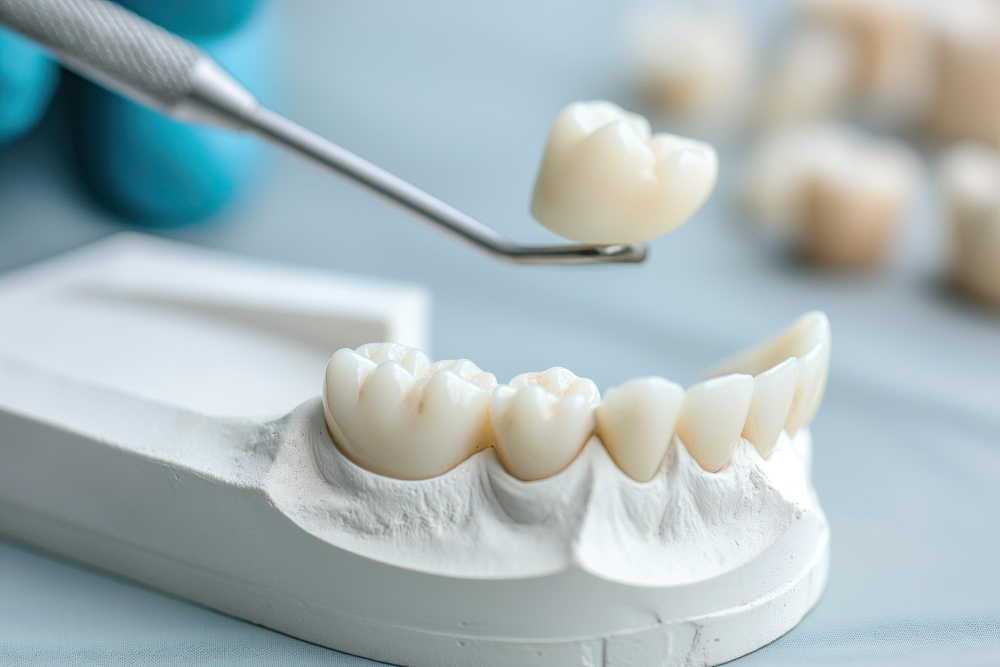
When considering restorative dentistry, one of the most common decisions patients face involves selecting the right crown for their teeth. Understanding the types of dental crowns and cost can help you make an informed choice that balances aesthetics, durability, and budget.
Different materials, techniques, and longevity options all factor into the decision, and knowing the pros and cons of each type ensures you get a restoration that meets your functional and cosmetic goals.
What Are Dental Crowns?
Dental crowns are custom-made caps designed to fully cover a damaged or weakened tooth, restoring not only its shape and appearance but also its strength and functionality.
They are commonly recommended for teeth that have been fractured, extensively decayed, or subjected to treatments such as root canals, where the remaining tooth structure may not be strong enough to withstand normal chewing forces. Unlike fillings, which only repair a portion of a tooth, crowns encase the entire visible portion, providing comprehensive protection against further damage, cracking, or wear.
Beyond restoration, crowns also play a vital role in preserving proper bite alignment and preventing adjacent teeth from shifting, which can lead to jaw discomfort or uneven wear over time. Materials used for crowns, such as porcelain, ceramic, metal, or zirconia, allow for tailored solutions that balance strength, longevity, and aesthetic appeal.
At Edgemont Dental Arts, each dental crown is crafted with precision using advanced digital imaging and modern fabrication techniques to ensure a perfect fit, optimal comfort, and a natural-looking result.
Patients benefit not only from functional improvement but also from enhanced confidence, knowing their smile looks seamless and professionally restored.
Why Understanding Types of Dental Crowns Matters
Knowing the different types of dental crowns is essential because each type has distinct characteristics that affect durability, appearance, and cost. The material of the crown influences how natural it looks, how much pressure it can withstand, and how long it may last. Dr. Michael C. Davidson emphasizes that selecting the right crown is not a one-size-fits-all decision. By evaluating oral health, bite patterns, and aesthetic goals, patients can achieve a restoration that is both effective and visually appealing. For a durable and natural-looking smile, patients can trust the dental crowns Montclair, NJ experts at Edgemont Dental Arts.
Porcelain Crowns
Porcelain crowns are highly valued in dentistry for their ability to closely replicate the color, translucency, and texture of natural teeth, making them an ideal choice for front teeth or any visible areas where aesthetics are a priority. Beyond their beauty, modern porcelain crowns are precision-engineered using advanced digital scanning and milling technology, ensuring a perfect fit that supports proper bite alignment and comfort.
While porcelain offers an exceptionally realistic appearance, it is somewhat more fragile than other materials and can chip if exposed to excessive force, such as chewing on hard foods or grinding habits.
Ceramic Crowns
Ceramic crowns offer many of the aesthetic advantages of porcelain but with added resistance to wear, staining, and minor impacts. Their biocompatibility makes them an excellent option for patients with metal sensitivities or allergies, ensuring that the restoration integrates safely with the body.
Ceramic crowns can be precisely color-matched to adjacent teeth, creating a seamless appearance that is virtually indistinguishable from natural enamel. They are particularly well-suited for highly visible teeth and for patients seeking a durable yet attractive solution.
Metal Crowns
Metal crowns, which are typically made from gold, platinum, or other metal alloys, are renowned for their unmatched durability and ability to withstand strong chewing and grinding forces. These crowns are especially advantageous for molars and other teeth in the back of the mouth, where functionality is more critical than appearance.
Metal crowns require minimal tooth removal compared to other materials, making the procedure less invasive and preserving more of the natural tooth structure. They are highly resistant to chipping, breaking, and wear over time, ensuring long-lasting performance.
Porcelain-Fused-to-Metal (PFM) Crowns
Porcelain-Fused-to-Metal (PFM) crowns are a versatile and widely used restorative option in modern dentistry because they combine the durability of metal with the natural appearance of porcelain. The metal substructure provides exceptional strength, allowing the crown to withstand significant chewing forces, making it particularly suitable for molars and other teeth in the back of the mouth, where functionality is critical.
At the same time, the porcelain overlay is carefully crafted to match the color, translucency, and shape of surrounding teeth, creating a seamless and aesthetically pleasing smile that looks natural from every angle.
PFM crowns are designed to provide a long-lasting solution for teeth that have been severely damaged, worn, or treated with procedures like root canals. However, it is important to understand potential limitations. Over time, the porcelain can experience minor wear or chipping, especially if patients frequently bite hard foods or grind their teeth.
Additionally, as the gums recede slightly with age, a thin dark line from the underlying metal may become visible near the gumline, which can affect the cosmetic appearance. Despite these considerations, PFM crowns remain a highly reliable option for balancing long-term strength with aesthetic appeal, offering both functional protection and a natural-looking restoration.
Zirconia Crowns
Zirconia crowns represent one of the strongest and most durable all-ceramic options available in modern dentistry. These crowns are highly resistant to fractures, making them ideal for molars or teeth that endure significant chewing pressure, while still providing a natural and lifelike appearance.
Zirconia can be digitally milled for a precise fit, which reduces the need for adjustments and enhances patient comfort. Additionally, its biocompatibility makes it safe for a wide range of patients, including those with sensitivities to metals.
Comparison of Crown Costs
The types of dental crowns and cost can vary widely based on the material chosen, the complexity of the restoration, and the technology used in fabrication. Porcelain and ceramic crowns are often more expensive due to their superior aesthetic qualities and the precision required to match natural teeth. Metal crowns, while less visually appealing, tend to be more cost-effective over the long term because of their durability and resistance to wear.
Zirconia crowns can carry a higher initial price tag due to advanced digital milling and material strength, but they often prove to be a wise investment because of their exceptional longevity and low risk of chipping. Patients should weigh not only upfront costs but also potential long-term benefits, factoring in both appearance and durability when making a decision.
Longevity and Durability Considerations
The lifespan of a dental crown largely depends on the material, oral habits, and maintenance routine. Metal crowns are renowned for their durability, often lasting several decades without significant wear or damage. Porcelain and ceramic crowns, while visually striking, may require replacement sooner, especially if the patient has habits such as teeth grinding or chewing hard foods.
Proper care, including daily brushing, flossing, and regular dental checkups, is essential to extend the life of any crown. Additionally, the way a crown is fitted and bonded to the tooth can impact its long-term stability. Understanding the durability profile of each type of crown helps patients plan for future dental care and ensures that their restoration remains both functional and attractive for years to come.
Aesthetic Considerations
While durability is important, the appearance of a dental crown is equally critical, particularly for front teeth and highly visible areas of the mouth.
Porcelain, ceramic, and zirconia crowns provide the most natural-looking results, closely replicating the translucency, color, and texture of real teeth. Porcelain-Fused-to-Metal (PFM) crowns offer a compromise, blending the strength of metal with a porcelain overlay for a realistic look, although a thin metal line may sometimes become visible near the gumline over time.
Choosing the right crown involves balancing aesthetic goals with practical considerations such as strength and location in the mouth. With advances in digital imaging, shade matching, and precise fabrication, it is now possible to achieve crowns that not only function perfectly but also blend seamlessly with a patient’s natural smile.
Making the Right Choice for Your Smile
Choosing between different types of dental crowns involves more than cost considerations. Factors such as bite alignment, tooth location, aesthetic preference, and overall oral health all play a role in determining the best crown material. Dr. Michael C. Davidson works closely with patients to evaluate these factors, providing expert recommendations that align with both functional needs and personal preferences. This collaborative approach ensures each patient leaves with a restoration that supports both comfort and confidence.
Maintaining Your Dental Crown
After receiving a crown, proper maintenance is essential to maximize its lifespan. Daily brushing and flossing, avoiding excessively hard foods, and attending regular dental checkups help prevent damage and decay around the crown.
Dental crowns are a versatile and effective solution for restoring damaged teeth, and understanding the types of dental crowns and their costs is the first step in making an informed decision. From porcelain and ceramic to metal, PFM, and zirconia options, each type offers unique benefits and considerations.
At Edgemont Dental Arts, Dr. Michael C. Davidson combines advanced technology, precise craftsmanship, and patient-focused care to help individuals select the best crown for their needs, ensuring both function and beauty in every smile.
Explore your dental crown options with expert guidance from Edgemont Dental Arts and schedule a personalized consultation today to find the perfect fit for your smile.