
5 Warning Signs You Need A Crown On Your Tooth
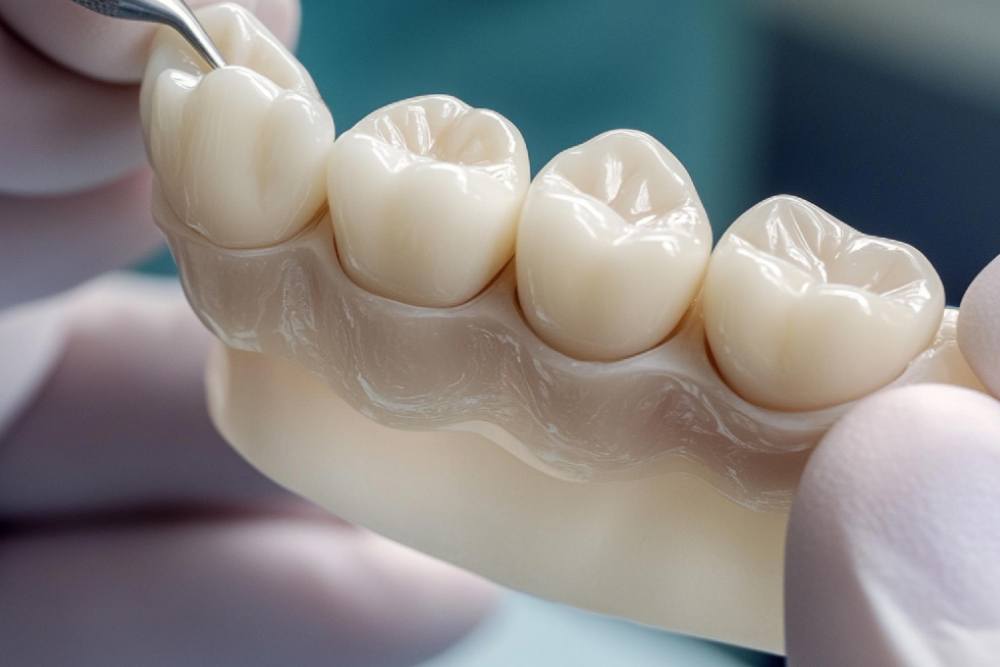
When it comes to protecting your teeth from damage or decay, recognizing the signs you need a crown early can save both your smile and your long-term oral health. Dental crowns are designed to restore strength, function, and appearance to teeth that are weakened, fractured, or worn down. But how can you tell when a crown is necessary?
Understanding when a crown is needed and how to know if you need a crown can help you address dental problems before they worsen, avoiding more complex treatments in the future. In this guide, we’ll explore five key warning signs that indicate a tooth may require a crown.
Persistent Tooth Pain
One of the most common indications that a crown may be necessary is ongoing tooth pain. This pain can result from decay that has weakened the tooth structure or from a crack that exposes sensitive inner layers. If you notice consistent discomfort while chewing or when your tooth is exposed to hot or cold temperatures, it may be a warning signal that a protective crown is needed to prevent further damage and restore function.
For expert restorative care and natural-looking results, patients can trust dental crowns Montclair, NJ specialists to protect and enhance their smile.
At Edgemont Dental Arts, Dr. Michael C. Davidson evaluates each patient’s case thoroughly to determine the root cause of pain and recommend the most effective restorative solution. By placing a carefully designed crown, the tooth is fully protected, restoring strength, function, and comfort.
Patients also benefit from crowns that are precision-crafted to blend naturally with surrounding teeth, ensuring that protection does not compromise aesthetics.
Large or Repeated Fillings
Teeth that have required multiple fillings over time may be at higher risk of structural compromise. Each filling removes a portion of the natural tooth, which can weaken it and make it prone to fractures. How to know if you need a crown in this situation is often determined by your dentist, who will assess whether the tooth can support another filling or if a crown would provide better long-term protection.
During a comprehensive evaluation, the dentist carefully examines the tooth’s remaining structure and determines whether it can safely support another filling or if a crown would provide better long-term protection. By encasing the tooth fully, a crown reinforces its strength, preserves functionality, and reduces the likelihood of future complications.
Cracks or Fractures in the Tooth
Visible cracks or fractures in a tooth are one of the clearest warning signs that a crown may be necessary. Even small cracks that seem harmless initially can worsen over time, especially under the repeated pressure of chewing, grinding, or biting hard foods. Left untreated, these fractures can expand, leading to tooth sensitivity, pain, or even complete tooth breakage.
Crowns provide a full-coverage solution, encasing the entire visible portion of the tooth and reinforcing its structure. By doing so, a crown not only prevents further splitting or chipping but also restores the tooth’s ability to handle normal daily forces.
Worn or Weak Teeth
Teeth that have become worn down over time due to grinding, clenching, or natural enamel erosion often require crowns to prevent further damage. Thinning enamel can make teeth highly sensitive to temperature changes and more vulnerable to cracks, chips, and decay.
In addition to protecting the tooth itself, crowns can help improve overall bite alignment and jaw comfort, addressing issues caused by uneven or worn teeth. By reinforcing worn teeth, crowns provide long-term durability while enhancing aesthetics, allowing patients to maintain both oral function and confidence in their smile.
After a Root Canal Treatment
Teeth that have undergone root canal therapy are often more fragile because the procedure removes the inner pulp, which normally supplies nutrients and moisture that help maintain tooth flexibility. Without this natural support, the tooth becomes more brittle and prone to fracture, especially when exposed to normal chewing forces.
Crowns are commonly recommended after a root canal to provide complete coverage and reinforcement, protecting the treated tooth from cracks or breaks that could compromise its long-term stability.
Take Action Early to Preserve Your Smile
Recognizing the signs you need a crown early is key to protecting your teeth and avoiding more complicated dental issues.
If you notice persistent pain, cracks, worn enamel, or have had extensive dental work, it’s worth consulting a professional to determine the best course of action. Dr. Michael C. Davidson and his team specialize in crowns and other advanced dental solutions designed to restore strength, function, and confidence to your smile.
For expert guidance and precise restorative care, schedule a consultation with Edgemont Dental Arts today.